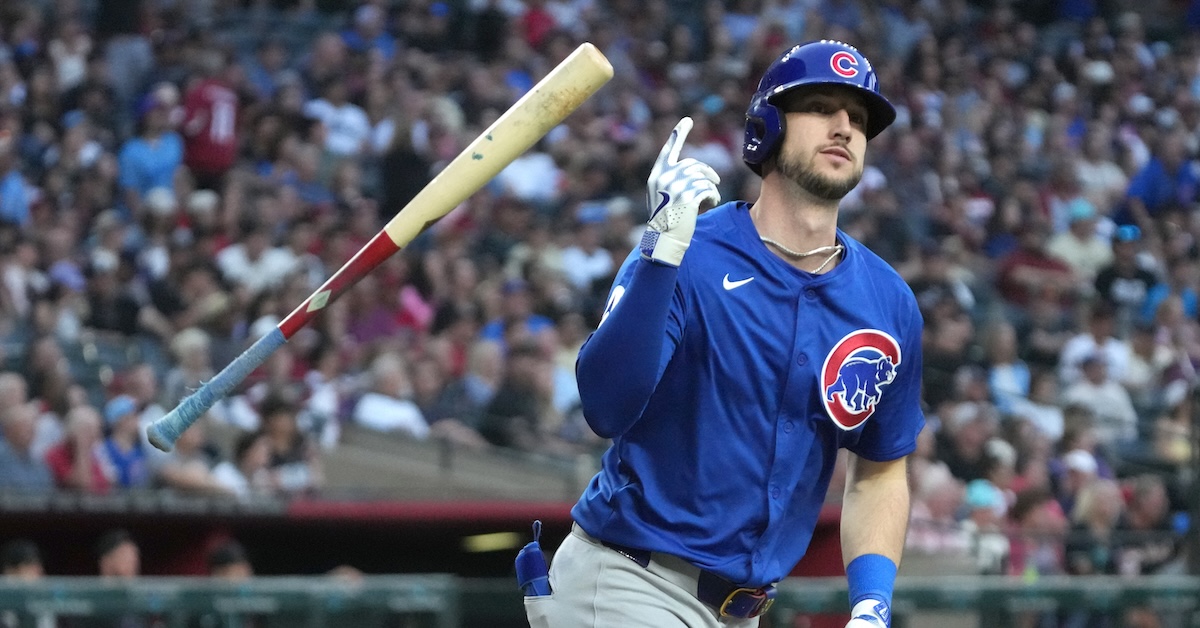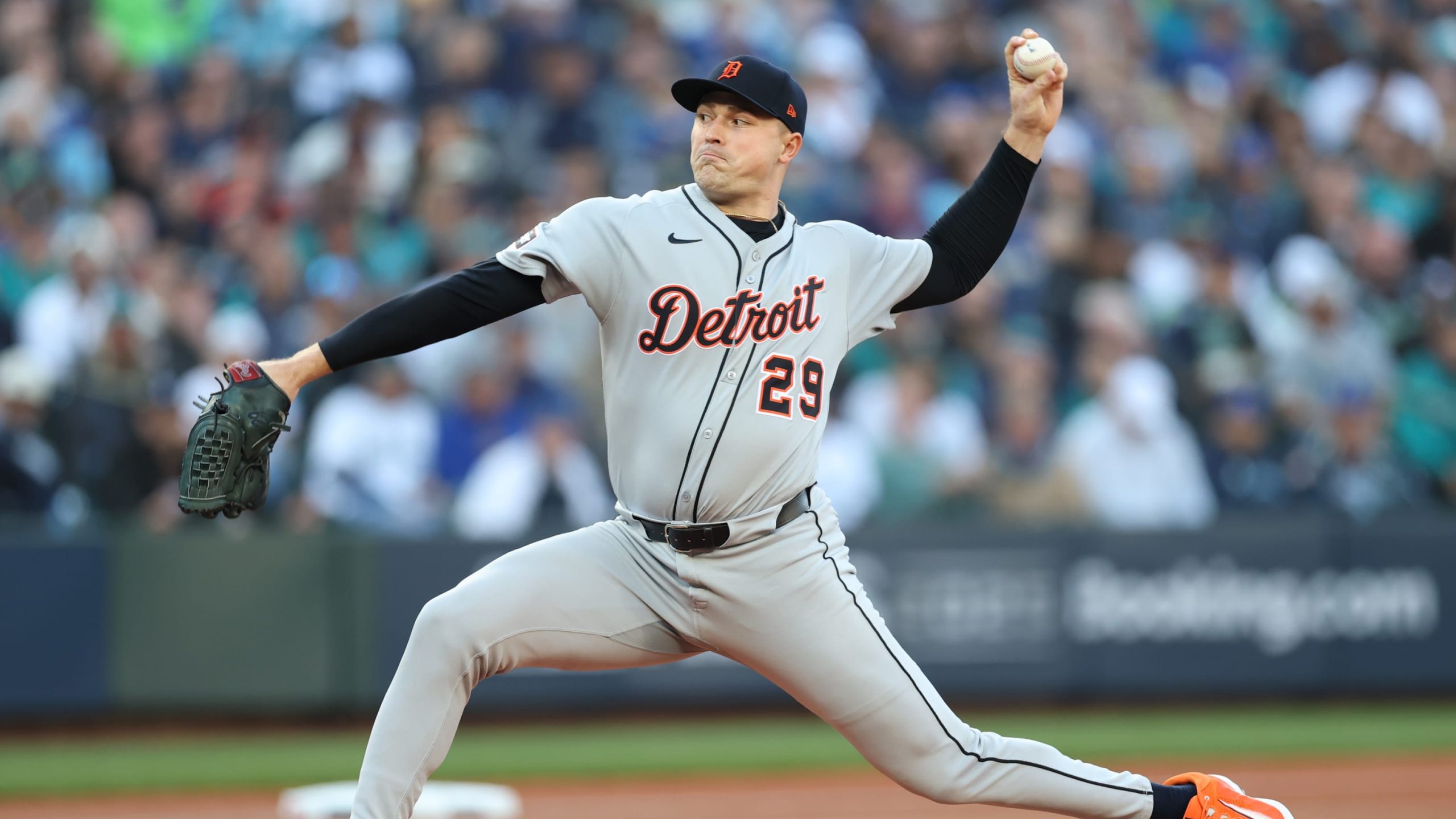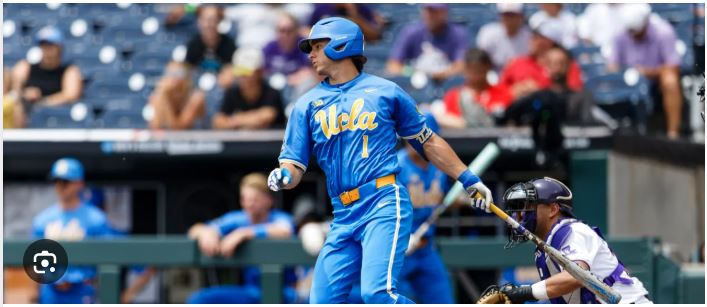
Here’s an early check-in for the top of the 2026 draft class. We first published a look right after the 2026 MLB draft order was determined and the Nats settled into the #11 spot, so we may not have a shot at the very top names here, but it’s likely one of these guys may be who we end up with at #11.
I’ll split the players into college and prep, and delineate between players who have consistently been in the early 1-1 talk versus those who have fallen out of the discussions.
Our new regime does not seem to be scared of picking Prep players, so unlike in year’s past I’m going to have to focus more on the prep guys. And, there’s significant news on that front, as one of the best Prep kids in the 2027 HS class just reclassified to 2026, putting another intriguing name out there. Read more about him in the Prep section.
College Upper 1st round names in the mix for 1-1
- Roch Cholowsky, SS, UCLA. D1-AA 2025 as Soph. BA’s College POTY in 2025 as a Sophomore, clear 1-1 candidate in early 2026 draft considerations. Only 60-grade guy on the board from ProspectsLive. #1 on MLBpipeline’s first list, called consensus 1-1. D1 pre-season AA. He’s certainly hit the 2026 season running: through his first 7 games he’s slashing .393/.486/1.143 with 6 homers and a fantastical 1.626 OPS figure. Two of those homers came against TCU’s ace in the big top-10 matchup last weekend, so it’s not like he’s padding his stats against mid-week guys.
- Cameron Flukey, RHP Coastal Carolina. D1 3rd team AA 2025 as Soph, Fri starter for CCU CWS team. 2nd best arm in pitching-weak draft class. D1 pre-season AA. BA has him #3 in Feb 2026
- Jackson Flora, RHP, UC Santa Barbara: helium guy early 2026 spring, BA has him top 5.
- Justin Lebron, SS, Alabama: .316/.421/.636 line with 18 home runs and 17 stolen bases in 2025. #3 on MLBP’s first board. D1 pre-season AA 2nd team (1st team was Cholowsky).
College Candidates who have fallen out of 1-1 contention
I like this section, because many of these names are going to be there at #11 overall if the draft board falls our way.
- Drew Burress, CF, Georgia Tech. D1-AA 2025 as Soph. #2 on ProspectsLive Sept2025 board, undersized 5’9″ but good EV, lefty, fast. Slight concerns on CF vs Corner. Some disagreement in the industry on rank; some have top 10, others further down. D1 pre-season AA.
- Liam Peterson, RHP, Florida; leading college Arm of the class. 6’5″ upper 90s. 2x Team USA pitcher. Up to #4 on BA’s list Oct2025, but #13 on MLBpipeline’s list. Did not make D1 pre-season AA at any level; curious. Struck out 12 in his 2026 debut.
- Derek Curiel, OF, LSU: .345/.470/.519 as starting Freshman/lead off hitter in 2025, draft-eligible as Sophomore in 2026. Playing CF for LSU in 2026, should stay there as long/lanky 6’2 180 guy. power limited, but great hit tool. D1 pre-season AA.
- AJ Gracia, OF (corner) UVA via duke: big corner-bopper bat profile, transferring to UVA from Duke with their new coach, starting to get top-5 buzz. D1 pre-season AA
- Chris Hacopian, SS, Texas A&M; 3B in the pros, 6’1″ some defensive questions but big bat.
- Daniel Cuvet, 3B, Miami. D1-AA 2025 as Soph. D1 pre-season AA.
- Evan Dempsey, 2-way FGCU: D1-AA 2025 as Soph. D1 pre-season AA.
- Lucas Moore, OF, Louisville: D1-2nd team AA 2025 as Soph
- Ryder Helfrick, C, Arkansas. D1 pre-season AA. .305/.420/.616 as a Sophmore.
High School Upper 1st round names in the mix for 1-1
- Grady Emerson, SS, Argyle HS (TX). Texas commit. BA’s #1 ranked HS 2026 draft prospect in 2025. U18 USA baseball team 2025. Remains top HS prep player in MLBPipeline’s first rankings. BA’s #2 overall player Feb2026
- Jacob Lombard, SS, Gulliver Prep HS (FL); UMiami commit, big baseball factory HS. Projected top 10, rising. BA has him #6 in Feb2026.
- Tyler Spangler, SS, De La Salle HS, Concord (CA): Stanford commit, 6’3″ free swinger, may move to 3B, solid defender. Up to #3 on BA’s oct2025 board, down to #10 on BA’s board Feb2026.
- Jared Grindlinger, LHP, Huntington Beach HS (CA). Was the #3 player in the 2027 class, reclassified in mid February 2026 to the 2026 class and is now immediately in the upper 1st round conversation. As of this writing he’s yet to even turn 17 … which means he’s going to be incredibly young for the class, even with the reclassification, and this kind of youth really plays in some analytics models. At current; he’s 6’3″ 185, can hit 96 from the left hand side. He’s been on every UXX National team since he was 12.
High School guys whose stock has fallen:
- Kevin Roberts, RHP/OF Jackson Prep (FL): same HS as Konnor Griffen, huge guy 6’5″ Florida commit, primarily hitter but can hit 94-95 on mound as well.
- Rocco Maniscalco SS/2B (Oxford, Ala., HS). Reclassified to 2026, won’t turn 17 until May 2025, super young.
- Tyler Spangler, SS, De La Salle HS, Concord, Calif.
- Brady Harris, a prep OF from Jacksonville committed to Florida who is a power-hitting plus defender
sources:
- D1Baseball 2025 All Americans June 2025
- CBSsports/RJ Anderson Names to Know at top 2026 draft candidates 7/15/25
- BA’s first 2026 mock draft, July 2025.
- BA’s 2026 Top 100 Draft Board as of July 2025.
- ProspectsLive Sept 2025 Top college guys
- USA Baseball U18 roster for 2025
- ProspectsLive Oct 2025 Top College guys.
- BA’s Oct2025 top 100 Updates
- MLB Pipeline’s Dec 2025 top 100 draft candidates
- D1Baseball 2026 pre-season AA post
- BA’s Feb 2026 Top 200 Draft Prospects