Nationals Arm Race

"… the reason you win or lose is darn near always the same – pitching.” — Earl Weaver

College Baseball Tournaments: Local interest teams in conference tourneys

leave a comment

My first 2014 College/College World Series post.  Lets take a quick look at conferences with DC/MD/VA collegiate of interest and see how things went for them in their conference tourneys.

College Baseball Resources: BaseballAmerica, and their top-25 lists.  d1baseball.com is fantastic and is the best place to get updated information on day-to-day data, standings, and tournament results.  PerfectGame.org has the best data on college players in their vast prep database.  Warrenolan.com has the best guesses on college baseball RPIs.


ACC (local interests: UVA and Maryland)

We’ll start with the strongest local baseball conference and with two significant local teams of note.  The ACC has three teams listed in the top 7 of the latest Baseball America top 25 poll (UVA, Miami and Florida State) with the highest of them (UVA) being the lowest seeded of the three in the ACC tournament.

ACC Regular Season champs: Florida State and Miami, with Miami getting the #1 conference seed by virtue of a better in-conference record.  UVA and Maryland were 2nd in their respective divisions but got the #3 and #6 seeds thanks to a bunching of ACC teams with nearly identical .500 records in-conference.

The big story in the ACC this year was NC State’s underperformance given its two first round talents (Carlos Rodon and Trea Turner).  Rodon went just 6-7 on the season (with a 2.01 ERA and 117 Ks in 98 2/3 innings) and fell from the conesensus 1-1 draft slot that he was presumed to have ever since last year’s Rule-4 draft.  Controversy also followed Rodon and the NC State coaching staff after a couple of questionable high pitch-count outings were lambasted in the national media.   Turner had a solid year (.321/.418/.516 with 8 homers and 26/30 stolen bases) though and seems to continue to be a solid mid-late first rounder.

In the conference tournament, Maryland got an upset win over UVA in pool play on 5/22/14 behind ace Jake Stinnett‘s 8 inning, 10k performance.  UVA threw mid-week starter Artie Lewicki, saving their bigger arms for the rest of pool-play presumably.  However it wouldn’t matter; Maryland’s second pool win over Florida State combined with UVA’s victory meant that Maryland was automatically in the ACC tournament final.  There they meet Georgia Tech on 5/25/14.  UVA can save its arms for the regional tournament, where they’re extremely likely to be a national seed and regional/super regional host.

Conference tournament champion and NCAA automatic qualifier Georgia Tech, who beat Maryland (the two pool winners) 9-4 on 5/25/14.  Maryland should have a strong enough resume to get an at-large bid (they’re 25th in Warren Nolan’s RPI) while Georgia Tech may have just stolen an at-large bid from someone.


Atlantic-10 (Local interests George Mason, George Washington, Richmond and VCU)

A-10 Regular season champs: St. Louis.  GMU finished 4th in league play, VCU and Richmond were 5th and 6th.  George Washington finished 8th out of 12 teams in the A-10 and did not qualify for the post-season tournament (which oddly only invited 7 teams … a strange number).

In the conference tournament, Mason got two quick wins to sit in the championship game of the winner’s bracket, where they met VCU (who had upset #1 seed St. Louis).  Mason got the victory over state-rivals VCU in the winners’ bracket final, putting them in the driver seat for the automatic CWS spot.   VCU got a second victory over St. Louis in the loser’s bracket final and must beat Mason back to back on 5/24/14 to take the tournament.

Conference tournament champion and NCAA automatic qualifier: George Mason, who beat VCU 4-3 on 5/24/14.  First CWS appearance for Mason since 2009 and their first conference baseball title since 1992.  Wow; more than 20 years.


Big South (Local interests: VA schools Liberty, VMI, Radford, and Longwood)

Big South Regular Season champs: Liberty, a surprising small school who blitzed the conference en route to a 40-15 regular season record and frequent mention in top 25 rankings of Baseball America and other collegiate polls.  VMI and Longwood did not qualify for the post-season tournament.

In the conference tournament, Liberty suffered an early loss and faced Radford in an elimination game but put themselves in a position to advance to the tourney final by eliminating Radford on 5/23.  Winthrop ended Liberty’s quest in the bracket finals, leaving Liberty to hold their breaths on acquiring an at-large bid (they should be OK: #28 in the latest Warren Nolan RPI estimates).

Conference tournament champion and NCAA automatic qualifier: Campbell, who beat Winthrop on 5/25/14.


Colonial Athletic Association (local interests: JMU, William & Mary and Towson)

Colonial Regular Season champs: William & Mary, outlasting perennial baseball power College of Charleston by a half game (by virtue of playing one less game in-conference).  JMU had a very down year, finishing just 17-36 while Towson (who was scheduled for baseball extinction) continues to struggle thanks to their coach releasing all their players thanks to program instability.   Neither Towson nor Hofstra was invited to the post-season tournament (for unknown reasons both; the CAA has a penchant for dis-inviting teams that announce they’re leaving the conference).

In the conference tournament, JMU was two-and-out quickly as the tournament played to its seeds early.  The Washington Post had a great feature on College of Charleston starter (ex-Towson and Broad Run alumni) Taylor Clark, who turned into their ace this year and got the playoff-win for Charleston on 5/22/14.  William & Mary advanced out of the loser’s bracket and has to sweep a double-header on 5/24/14 to win the conference tournament.

Conference tournament champion and NCAA automatic qualifier: College of Charleston, who beat William & Mary on 5/24/14.  Local kid Clark gets a shot at a CWS regional.


Conference USA: Local team Old Dominion

I honestly forgot that Old Dominion had moved to this conference until seeing them in the field of 64.

Regular season champ: Rice.  ODU was 4th.

In the conference tournament, ODU got a win over Rice, but Rice fought back to take the conference tournament.


MEAC:  (Local teams UMES and Norfolk State):  UMES had a down  year and missed the post-season tournament.  Norfolk State lost in the final of the conference tournament to MEAC baseball power and frequent CWS participant Bethune-Cookman.

Patriot: Navy beaten by eventual conference champ Bucknell.


The College World Series field of 64 will be announced just after the Memorial day weekend, upon the completion of all the college tournaments. Analysis to follow.

Written by Todd Boss

May 25th, 2014 at 8:58 pm

DC/MD/VA District High School Tournament Report

one comment

Now that the prep high school regular seasons are (for the most part) over, here’s a review of some of the DC-area local prep high school tournaments.   Last year I only covered the Virginia tourneys (in the interest of openness; i’m a resident and an alum of Northern Virginia and have more interest in the Virginia side of the house), but this year i’ve thrown in coverage of the Maryland side, the private leagues and DC.

The Maryland tournament nearly finishes before the Virginia districts start, as do the private high school tournaments.  Meanwhile there’s not much to report in DC, but we’ll talk about them at the end of the post.

Here we go:

Virginia

Conference tournaments are starting this week, so we’ll talk more about how some local favorites are doing in the next iteration of this post.

Thanks to the beauty of bureacracy, Northern Virginia’s old district “names” have gone by the wayside (the “Northern Region” used to be the Concorde, Liberty, National and Patriot districts, and before that it was Northern, Great Falls, Alexandria and Potomac), and we now have the unemotional numbering of districts.  Except there seems to be some transition between the old names and the new conference numbers.   Conference #’s 5-8 are basically the 6-A schools in Arlington, Fairfax, Loudoun and some PW counties.  Conference #s 13-15 are basically the 5-A/smaller high schools from around Northern Virginia.  Links to conference standings at allmetsports.com are here and standings at insidenova are here but results are spotty in some/most cases.

Confusing matters are the fact that some of the conferences with PW and Fauquier schools also have schools that aren’t considered proximiate to the DC area, so sites like allmetsports.com and InsideNova.com don’t really cover them.  And, the conference tournament schedules seem all in dis-array this year, with some conferences starting their district tournaments earlier than others.

  • Conference 4: Bigger PW and Fauquier schools from the old Northwestern Region: Hylton and Colonial Forge are powers this year.
  • Conference 5/Concorde: Contains regional powerhouses Oakton, Chantilly, Robinson, Westfield and Centreville.  Led by Chantilly this year.
  • Conference 6/Liberty: Dominated this year by Madison, with last year’s upstarts like Yorktown/Washington & Lee and the McLean schools struggling.  Conference play kicked off on 5/18/14 with Langley beating Hayfield and McLean upsetting South Lakes.
  • Conference 7: Several big-time baseball programs historically in Lake Braddock, WT Woodson and South County.  This year led by West Springfield.
  • Conference 8: a smaller grouping of Western Prince William/Fauquier County high schools; contains strong teams (by record) Battlefield, Osbourn Park and Patriot.
  • Conference 13: A weaker collection of smaller high schools from Arlington/Alexandria and Fairfax counties.  Marshall seems like the contender here.
  • Conference 14: Newer/smaller high schools from Loudoun County and includes Stone Bridge, which is dominating its district this year led by 1st round talent Jacob Bukauskas.
  • Conference 15: Smaller high schools from Southern PW county and behond: historic power Potomac (VA) is here and they play mostly schools from further south.

Upcoming Schedule (VHSL site and VHSL Conference/Regional results, which won’t get populated until the tourneys start).

  • Regular Season ending: week of May 13-May 16th.
  • Virginia District Tournaments are scheduled from May 25th-May 30th, but some kicked off on 5/18/14.
  • Virginia Regionals: June 5th
  • Virgina State Semis and finals: June 10-13th.

Maryland

Some of the best Maryland-based baseball programs are either private (WCAC’s St. Johns and Riverdale Baptist) or are considered lesser talents than their Northern Virginia counterparts.   But, there are some good Maryland teams to keep an eye on during the upcoming Maryland “Section” Finals.  (MPSSAA home page), here’s a review of where we stand in the Maryland playoffs.

Maryland is divided into these four “sections” by size, and then each section has a North/South/East/West division that encompasses the entire state.  The winners of each section/division then make up the state semi-finalists, played at Cal Ripken’s Aberdeen stadium.

Schedule: By looking at each classification as one big bracket (see the links from MPSSAA’s page):

  • the round of 64 was on Saturday 5/10/14, held at the higher seed’s location.
  • the round of 32 (where the #1 seeds start)  was held on Monday 5/12/14, also at the higher seed’s location.
  • The round of 16 is being held on Wednesday 5/14/14 at the higher seed’s field.
  • The round of 8/Sectional championships are are on Friday 5/16/14 at a field determined (as far as I can tell) by a coin flip.
  • The round of 4 or the State semi finals are on 5/20/14 at various neutral fields around the state (Joe Cannon near BWI, U Maryland’s home field are example sites).
  • The state finals are at Ripken Stadium in Aberdeen on 5/24/14.

Here’s the summary of the Maryland State Sectionals and State tournament so far:

  • 4-A State Playoff Bracket (alt bracket via maxprepsBowie and Elanor Roosevelt, Chesapeake, Arundel, Gaithersburg and Blair all look promising at the onset to make the state tournament.  In the round of 32 state-wide, the seeding mostly held as no #1 seeds were upset and nearly every #2 seed advanced.   The round of 16s saw the Bowie-Elanor Roosevelt anticipated matchup, with Elanor Roosevelt coming out on top 10-8.  Laurel blitzed sectional #1 seed Duval 20-3 to face Elanor Roosevelt in the state quarters.  And Bethesda’s Walt Whitman faces off with its sectional #1 seed Gaithersburg after upsetting #1 seed Blair in the state round of 16.  5/18/14: Regional champs crowned and state semis set: Elanor Roosevelt (Greenbelt), Sherwood (Sandy Spring/Olney), Gaithersburg and Chesapeake (Pasadena, near Annapolis) are in the state final four.
  • 3-A State Playoff Bracket (alt bracket via maxpreps): Columbia’s Atholton and La Plata in Southern Maryland are WP top-10 teams to keep an eye on.   In the round of 32 state-wide a couple of #1 seeds faltered but otherwise the favorites stayed alive.  In the round-of-16 Atholton was upset but LaPlata stormed onwards, joined by local schools Seneca Valley and Thomas Johnson in the state quarter finals.  5/18/14: Regional Champs crowned: La Plata, North Harford (Plysville, near PA border north of Baltimore), Thomas Johnson (Frederick) and Reservoir (Fulton, near Columbia) are into the state-semis.
  • 2-A State Playoff Bracket (alt bracket via maxpreps) features Poolesville’s lofty 17-1 team amongst the few DC-local high schools small enough to qualify.  The round of 32-statewide went mostly to form, with Poolesville getting by.   Poolesville continued to  hold serve in the round of 16, joined by Calvert in a #1 sectional-seed heavy state quarterfinals bracket.   5/18/14: Regional Champs crowned: local favorite Poolsville is joined by Southern (in Harwood, south of Annapolis), Hereford (in Parkton, north of Baltimore on I-83) and Parkside (in Salisbury) in the state semis.
  • 1-A features no DC-area local schools and is populated by smaller schools from the state’s further reaches.  Bracket via maxpreps is here.  Two small high schools from Baltimore are joined by schools from Cambridge and Smithsburg (outside of Hagerstown) in the state semis.

Private Leagues: WCAC/MAC/IAC and VISAA/Maryland Private

The major local Catholic League (WCAC) featured several good baseball programs this year (perennially tough Paul VI and St. Johns) as well as upstart DeMatha and Gonzaga.  St. Johns faced O’Connell for the WCAC championship and swept the two-game final series by a combined score of 19-0 to win the WCAC.   Flint Hill has dominated the MAC behind UVA commit Tommy Doyle, and easily took the title in mid-May over St. James.  And in the IAC, Georgetown Prep finished undefeated in group play and played a very tough out-of-conference schedule, facing most of the heavyweight private schools in the area.  However St. Albans upset the Little Hoyas in the IAC final.

Oddly, the Virginia Independent School Athletic Association (VISSA)’s state tournament runs concurrent to both the local district tournaments, causing teams to really stretch their pitching to win both competitions.   Three big-time NoVa based programs are all grouped in the VISSA Division I bracket (Paul VI, O’Connell and Flint Hill), though only Flint Hill has advanced to the state quarter finals.  They were subsequently blanked in the semis by Charlottesville’s St. Anne’s-Belfield, who lost in the final to Lynchburg’s Liberty Christian HS.

Lastly, the Maryland Private High School tournament kicks off the week of 5/19/14, featuring 6 of the best private schools on the Maryland side.  We’ll see DC local private schools DeMatha, Riverdale Baptist, Good Counsel and Spalding (If anyone has a link to this tournament with more information, let me know).

DC Public Schools/DCIAA

As was chronicled earlier this year in the Washington Post, there’s not much in the way of suspense when it comes to DCIAA baseball tournaments.  Wilson HS has a 21-year winning streak against its DCPS league mates and has won games in the city this year by scores of 15-0 (Anacostia), 16-0 (Theodore Roosevelt) and an astounding 30-0 (over Ballou).

Written by Todd Boss

May 20th, 2014 at 12:24 pm

TJ Surgery epidemic: upbringing, showcases and mechanics

10 comments

Jose Fernandez is (arguably) the biggest name to go down to TJ surgery yet.  Photo via thestar.com

Jose Fernandez is (arguably) the biggest name to go down to TJ surgery yet. Photo via thestar.com

Its the biggest story in baseball so far in 2014.   We’ve had nearly 20 MLB pitchers get diagnosed with torn elbow ligaments so far this calendar year.  All of them have or are set to undergo “Tommy John” surgery (also known as ulnar collateral ligament/UCL replacement surgery).  That’s nearly as many as who got the surgery ALL of 2013 and we’re just 6 weeks into the season.  There’s an alarming trend upwards over just the past few seasons of pitchers getting this surgery.  There’s been plenty more minor leaguers (two Nats farmhands in Erik Davis and Danny Rosenbaum have already gotten it in 2014) and already a couple of very high-profile draft prospects as well (including as discussed in this space potential 1st rounders Jeff Hoffman and Erick Fedde just in the last week).

Lots of people are talking about this story, especially some heavy-weights in the baseball world.  A sampling:

  • Dr. James Andrews, perhaps the most famous sports doctor in the world, attributes the growing trend to the rise in year-round baseball competition in the US.
  • SI.com’s Jay Jaffe reviews Dr. Andrews comments and had other excellent stats about the trend in this April 2014 piece.
  • The Washington Post’s Dave Sheinin did an excellent piece in the paper a few weeks ago about the injury, which he attributes to youth usage.
  • Tom Verducci (he of the “Verducci effect”) proposed a solution in a column this week after the Jose Fernandez announcement.  His idea?  Lowering the mound across all levels of the sport.  He draws this conclusion after hosting a very interesting round-table on MLB Network.
  • Jayson Stark teamed up with ESPN injury analyst Stephania Bell and former player Alex Cora to discuss the rise in arm injuries in this ESPN.com video, and they follow Andrews’ theory of year-round pitching.
  • Chris O’Leary, king of the Inverted-W (whether you believe his theories or not, I’ve included this link here) has his own theories as discussed here.  He doesn’t really have much in the way of explanation, just more whining about how every pitcher’s mechanics has something you can complain about.
  • Jeff Passan basically calls out baseball executives for not having any answers.
  • If you want an index of all of ESPN.com’s stories on the topic, click here.  It will have columns, analysis and press releases for individuals getting the surgery.

Some interesting stats about Tommy John surgery:

So what the heck is going on??  Lets talk about some theories.  I’ll highlight them in Blue.

The new “hot theory” is essentially this: Over-throwing at Showcase events, which have become crucial scouting events for kids raised in the United States, are to blame.  Thanks to the rise in travel leagues and select teams, scouts spend less time sitting at high school games and more time at these all-star events.  To prescribers of this theory, it isn’t so much about the amount of innings or pitches that kids throw … its the nature of the “showcase” events and the high pressure situations that those events put kids under.  Kids are throwing year-round, and they’re ramping up max-effort pitches at national competitions multiple times per year, and in some cases out of “season.”  This leads to serious damage to kids’ arms done as 16 and 17 yr olds, which then manifests itself over the years and results in blown ligaments in pro ball.

Do you buy this explanation?  It certainly makes sense to me, but how do you prove this?  And, it doesn’t explain the similar rise in elbow injuries to non-American pitchers.

Is it less about the showcase events and more about the Larger Increase in Youth pitched innings thanks to the rise in Travel Leagues?   This theory also makes some sense to me: thirty years ago kids played an 18-20 game spring Little League season, at best would pitch half those games and that was it.  Maybe they played in the fall too, but there were specific innings limits in place that protected kids.  Now instead of playing limited spring and fall seasons, kids are playing AAU travel teams that play 40-50 games a summer, plus weekend tournaments, plus (eventually) the above showcase events as they get closer to matriculation.  This theory certainly is supported by a startling rise in youth arm injuries, as noted in this 2010 study by the American Academy of Orthopaedic Surgeons.

But, if its “bad” to play more baseball … then shouldn’t we be seeing even MORE injuries from players who grew up in third-world baseball hot beds like the Dominican Republic or Venezuela, where by all accounts kids play baseball from sun-up to sun-down 12 months out of the year in tropical climates?

Interestingly, of the list of 19 MLB players so far who have been diagnosed with a torn UCL (see next section), there’s 4 non-American developed pitchers (Rondo, Nova, Figueora, Cisnero).  4 of 19 = 21%, whereas about 22% of MLB pitchers are non-American developed (my 22% figure comes from this quick study that I did; I grabbed every active MLB pitcher as of early May 2014 and did a quick-and-dirty player upbringing analysis to determine that about 78% of players “grew up” in the current American system of player development).  It is small sample size … but the percentage of american versus foreign developed players are so far exactly in line with the total percentage of each type of player in the larger pool of MLB pitchers.  This doesn’t seem to support either of the two above theories.

We’ve all heard horror stories about pitch counts and pitcher abuse at  high school events in Japan (this came to light over the winter as we looked at Masahiro Tanaka and learned about these Japanese showcase events; this article here at thebiglead.com talks about one Japanese prospect’s 772 pitches thrown over 9 days, and Jeff Passan talked about Tanaka’s own pitch count abuse stories and his average pitch counts as a Japanese-league pro).   Unfortunately there’s not a ton of data available about this TJ theory and Japanese pitchers.  I can find a couple of instances of Asian pitchers getting the surgery (Kyuji Fujikawa in 2012 being the most recent example), but not enough to establish any trends.

But lets state it this way: you can’t have things both ways.  Both these stereotypes about player upbringing cannot be true:

  • Latin American poor youth plays baseball from sun up to sun down 12 months a year, building arm strength constantly, therefore his arm is “stronger” and he’s less suceptible to injury
  • American little leaguer plays limited schedules (18 games in the spring, perhaps fewer in the fall), has closely monitored pitch counts, therefore does not abuse his arm as a youth and thus his arm is “stronger” later in life as a result.

Here’s a list of the 19 MLB pitchers who have already gone under the TJ knife so far in 2014 (data from baseballheatmaps.com, which has detailed Disabled List data).

Of these 19 pitchers, they are evenly split between being starters (10) and relievers (9).  So that doesn’t seem to lend itself to any Starter vs Reliever usage conclusion.

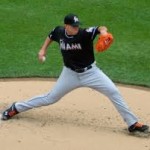
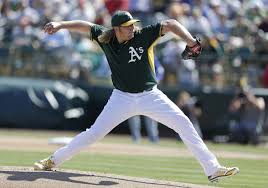
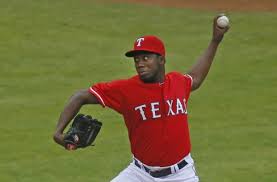
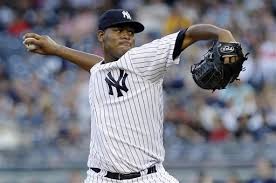
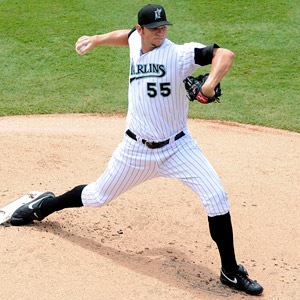
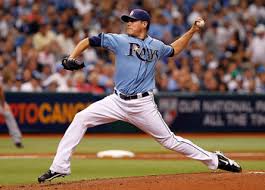
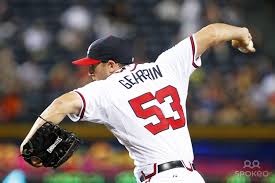
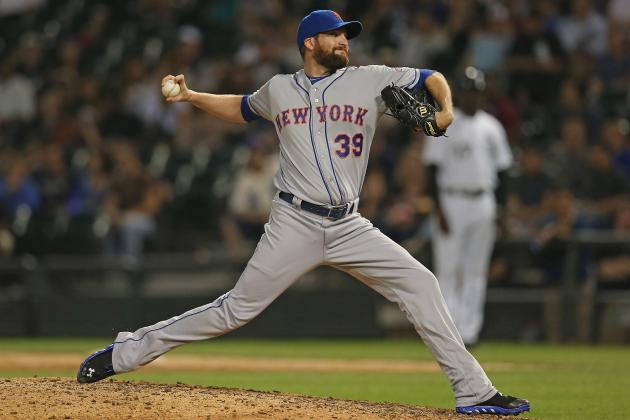
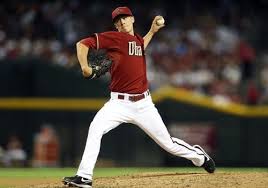
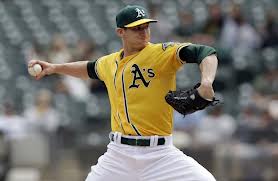
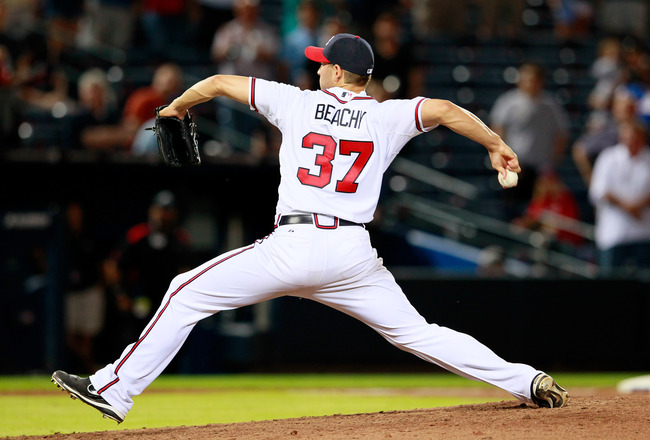
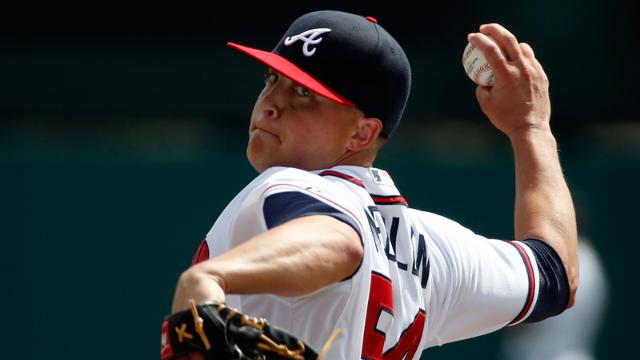
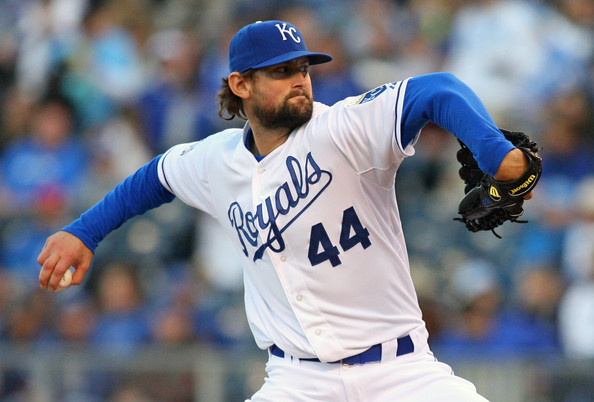
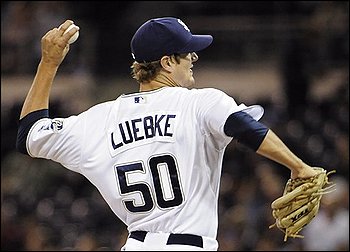
How about Pitching Mechanics?  We’ve all heard ad-naseum about the “Inverted W” and people talking about pronation and timing and elbow lift and etc etc.  Here’s a quick attempt to analyize the mechanics of each of these 19 guys (all photos grabbed as thumbnails from google images for the purposes of demonstration; no copyright infringement intended).

CisnerJose landingFernandezJose landingGriffinAJ landingFigueroaPedro landing


NovaIvan landingJohnsonJosh landingMooreMatt landingGearrinCory landing


ParnellBobby landingDavisErik landingHernandezDavid landingMLB: Spring Training-Arizona Diamondbacks at Los Angeles Dodgers


RondonBruce landingCorbinPatrick landingParkerJarrod landingBeachyBrandon landing


MedlenKris landingHochevarLuke landingLeubkeCory landing2

Quick and Dirty Mechanics analysis (images in same order as list of pitchers above, which is choronological in order of diagnosis in 2014):

  • Inverted W: Griffin, Nova, Gearrin, Beachy, Hochevar
  • Sideways M: Fernandez, Johnson, Davis, Moylan, Rondon, Parker, Medlen
  • Inverted L: Cisnero, Figueroa, Moore, Parnell, Hernandez, Corbin, Luebke

But I’ll immediately add a caveat to these classifications; at various stop-points in a guy’s delivery, he may exhibit “good” or “bad” trends.   Maybe some of these “sideways-M” guys are actually “inverted-W” guys.  Maybe some of these inverted-W guys are ok and the stills make their mechanics seem worse than they are.

Nonetheless; there’s no trend among the 19 guys in terms of their mechanics.  In some cases they’re “bad” (Griffin and Gearrin’s look awful) but in some cases excellent (nobody should look at Moore’s mechanics and say they’re anything but clean, nor with Parnell or Corbin).  These pitchers are overhanders, 3/4-slot guys and even side-armers/submarine guys (Gearrin and Moylan).   These guys include hard throwers (Rondon had the 3rd highest velocity of *any* pitcher in 2013) and softer-throwing guys (Medlen had one of the lowest fastball velocities in the majors in 2013).  There’s starters and relievers almost equally represented in this list.

Conclusion; there’s no conclusions to draw from pitching mechanics analysis.  I think all attempts to look at guys’ mechanics and make judgements are useless.  I think (as does Keith Law and other pundits in the field) that the “Inverted W” is nonesense and that “research” posted online by concerned-fathers-turned-self-appointed-mechanics-experts is not exactly trustworthy.  The fact of the matter is this: throwing a baseball over and over is hard on the body.  Throwing a ball is an unnatural motion, and throwing a ball at max-effort will eventually lead to pitching injuries, no matter what your mechanics.  They can be “good” or “bad” according to someone’s pet theory on bio-mechanics and it has nothing to do about whether a pitcher is going to throw 10 seasons without injury or have two tommy johns before they’re 25.

Some historical context for pitching mechanics arguments: the pitcher who has the 2nd most innings thrown in the non-knuckleballer modern era (behind Nolan Ryan) was Don Sutton.  Sutton displayed absolutely *classic* inverted-W mechanicsnever hit the D/L in his career and threw nearly 5,300 innings over the course of 23 seasons.   Walter Johnson‘s mechanics were awful; he slung the ball sideways as he literally pushed backwards away from the hitter at the end of his delivery.  If someone saw Johnson’s mechanics today they’d talk about how over-compensated he was on his shoulder and how he lost velocity thanks to landing stiff and having zero follow through.  Johnson only threw 5,900 innings in his pro career; yeah those mechanics really held him back.  Nolan Ryan was a freak of nature, throwing at that velocity for as long as he did.  The point?  You just don’t know.


Maybe there’s something to the “showcase abuse” theory for some players.   Maybe there’s something to the travel-ball overuse theory for some kids.  But I think the answer may be a bit more simple.  We all know there’s been a rise in the average MPH of fastballs in the majors, both on starters and especially with relievers.  My theory is simply this: kids who “can” throw upper 90s spend all their time trying to throw upper 90s/max effort fastballs 100% of the time, and human arms just cannot withstand that kind of abuse over and over.  In prior generations, kids who “could” throw that hard wouldn’t, or would rarely try to throw that hard, and thus suffered fewer elbow injuries.

Side note: I also firmly believe that we’re “victims of our own success” to a certain extent with respect to modern medicine; 30 years ago would someone have just “blown out their arm” instead of being diagnosed specifically with a “torn ulnar collateral ligament?”  Would some kid in the low minors who hurt his harm even bother to get an MRI?  How much of the rise in these injuries is simply the fact that we’re better at diagnosing injuries in the modern sports world?

Why are these kids trying to throw so hard these days?  Because velocity is king, and that’s what scouts look for.   A kid who “only” throws mid 80s as a 17-yr old is dismissed, while the kid who can throw mid 90s at the same age is fawned over.   Guys like Greg MaddoxMark Buehrle, and Tom Glavine probably don’t even get drafted in the modern baseball climate thanks to the over-focus on pure velocity.

You can talk about upbringing and showcase events and pitch counts and mechanics all you want, but I think it comes down to Pitcher over-exertion thanks to the rising trend of fastball velocity and the human nature urge of prospects and farm-hands to show more and more velocity so they can advance their careers.

What do you guys think?  Do you dismiss the “inverted-W” arguments like I do?  Do you think its all about showcase events?

Pitcher Wins on the FA Market – 2014 edition with bWAR

leave a comment

Kershaw's new $30M/year contract will be tough to live up to.  Photo via wiki.

Kershaw’s new $30M/year contract will be tough to live up to. Photo via wiki.

One of my pet projects of recent years has been to track “major” Starting Pitcher free agent contracts and then to do analysis of how they turned out, on a Dollar per Win basis.  This post is an updated version of this analysis to determine some of the “best” and “worst” free agent contracts ever awarded to starting pitchers.  It is updated for 2014 from last year’s version of the post by my putting in all the 2013 data for pitchers, plus putting in the significant 2014 FA contracts.  And, per requests I have added in bWAR and $/bWAR for analysis (though, as we’ll soon see, $/bWAR can be tricky to interpret for really poor performing pitchers).

The raw data spreadsheet is available in Google Docs at this link, or along the side of this blog window in the NAR Creation links section.  I havn’t cut and pasted any of the data here because the spreadsheet is too “wide” for the blog; I suggest opening it up in a separate tab while reading this post.

Data Taxonomy/caveats: For ease of analysis, I depend on the Average Annual Value (AAV) of the contracts as opposed to trying to figure out exactly how many wins were earned in which year of a varying contract amount.  Therefore (for example), Gio Gonzalez‘s contract may have only paid him $3.25M in 2012 but I’m using the full AAV of $8.4M for the purposes of the analysis (it would just be far too difficult to calculate each pitcher’s dollar per win on an annualized basis otherwise).  This analysis focuses heavily on dollars per pitcher Win, despite the known limitations of the win stat.  There is also dollars per Quality Start and now dollars per bWAR (baseball-reference’s version of WAR).

Here’s some interesting facts, that come out of this analysis (some of these points can also be seen at the amazing Cots Salary database, now at Baseball Prospectus, and are confirmed in my spreadsheet tracking the same):

Largest total Starting Pitcher Contracts ever signed

  • Clayton Kershaw‘s new 7yr/$214M deal signed this past off-season.
  • It beats out the previous record holder (Felix Hernandez‘s  7 year, $175M extension) by nearly $40M in total value.
  • CC Sabathia (7yrs/$161M in 2009) was the longer-time previous record holder before that.
  • Zack Greinke (6yr/$147M)  and Cole Hamel‘s 6yr/$144M contract deserve mention.
  • Masahiro Tanaka signed one of the biggest ever deals (7 year $155M) before he ever threw a MLB pitch.

Largest Single-Season AAV

  • Kershaw’s new deal finally beats out Roger Clemen‘s long standing single season record 1yr/$28M deal in 2007 as the largest AAV pitcher contract.  
  • Justin Verlander‘s new deal gives him an AAV of $28M, a 10% jump up from the $24-$25M/year threshold deals we saw a number of pitchers sign in the last couple of years.

What are some of the Worst Deals ever made?  Lets talk about some of these awful deals on a $ per win or $ per bWAR basis.  Most of these contracts are well known to baseball fans and are commonly thrown around when talking about the worst historical FA contracts, but they’re fun to revisit.  Thanks to the bWAR inclusion, a number of new/more recent contracts now pop up on this list.

  • Kei Igawa‘s 2007 deal with the Yankees, which was 5yrs/$20M but included a $26M posting fee, is generally speaking the worst $AAV per Win contract ever signed.  Igawa went 2-4 in 13 starts over the life of this 5 year deal, equating to $23M per win for his team.  He made exactly one quality start, meaning the Yankees paid $46M per QS.He spent the last two seasons of this contract buried in AAA.   For their $46M, the Yankees got a combined -0.6 bWAR out of Igawa.
  • Chris Carpenter signed a 2yr/$21M extension in St. Louis before the 2012 season that seemed like a good deal at the time; unfortunately for both sides Carpenter hurt his shoulder, only made 3 starts in 2012, went 0-2 and contributed a -2.3 bWAR in that time.  So his dollars per win is infinite and his $/bWAR is uncalculatable.  I still rank Igawa’s deal as worse though since it cost his team more than double the dollars, and since Carpenter’s troubles were injury related while Igawa’s was mostly due to performance.
  • Jason Schmidt‘s 3yr/$47M contract with the Dodgers.  Schmidt made 10 total starts and went 3-6, equating to $15.6M per win.  He totaled a -0.5 bWAR during this 3 year contract.
  • Oliver Perez made just 21 starts (and got 3 wins in the duration of his 3 year/$36M contract with the Mets.  He was released in March of 2011, the final year of the contract, causing the Mets to eat $12M in salary.  The Nats picked him up and carried him on their AA roster all year before dumping him as well; he’s now trying to remake himself as a loogy and is in Arizona’s bullpen.
  • Matt Harrison‘s current deal (so far) has been pretty expensive for the Rangers: for $11M in salary in 2013 they got just two starts and two bad losses before he hit the D/L and missed the remainder of the season.  He still hasn’t returned.  Odds are he recovers and has a chance to earn this contract, but you never know with shoulder injuries (though to be fair the injury that cost him 2013 was a ruptured disk in his back).
  • Tim Lincecum‘s recently completed 2yr/$40.5M contract was pretty ugly for San Francisco; he went 20-29, had just a 43% Quality Start percentage and contributed -2.3 bWAR over those two seasons for his $40M.
  • Barry Zito signed a 7yr/$126M deal.  In those 7 years he went 63-80 and contributed just 3.0 bWAR in the lifetime of the contract.  That’s $42M per win.  By way of comparison, Tanner Roark‘s 5 weeks of effort for the Nats last summer totaled 2.0 wins.
  • Mike Hampton‘s injury plagued/ill conceived 7yr/$121M contract resulted in two full missed seasons and just a grand total 3.0 bWAR of value.
  • Edwin Jackson and Dan Haren both managed to put up negative bWAR for their 2013 seasons (for which they were both being paid $13M a piece).  But those are just one-year deals; they aren’t the multi-year disasters that these other contracts can be.
  • Chan Ho Park signed a 5yr/$65M deal with the Dodgers; for those $65M the Dodgers got precisely 0.2 total bWAR in 5 seasons.  That’s right; for that money they could have fielded a 4-A pitcher and gotten comparable value.  Park was 33-33 during that time and missed significant time with injury.
  • Darren Dreifort (6.1M/win and 0.2 bWAR in 5 seasons), Russ Ortiz (4.7M/win and -3.2 bWAR in 4 seasons), Carl Pavano ($4.4M/win and 0.4 bWAR in 4 seasons), and Carlos Silva ($4M/win and -0.7 bWAR in 5 seasons) all had pretty infamous contract disasters too.

How about some of the Best Contracts ever signed?  Lots of players have signed small one year deals and won double-digit games, so those really cannot count.   Starting with an arbitrary floor of a $50M free agent contract, here’s some of the best value FA contracts ever signed:

  • Pedro Martinez: 7yr/$92M, during which he went 117-37 for the Red Sox for a $786k/win total.
  • Justin Verlander‘s 5yr/$80M deal from 2010-2014 will be a steal for Detroit: he’s already contributed 25+ bWAR and is at about $888k/win.  The same probably will not be said about his mammoth $140M extension.
  • Mike Mussina went 92-53 in his 6yr/$88.5M contract for $961k/win.
  • Chris Carpenter‘s 4yr/$50.8M deal from 2008-2011 was a steal for St. Louis: He may have missed some time but he still went 44-23 during that contract, contributed 13.6 bWAR and his $/win number was just $1.1M.  He’s the only guy who appears in both the “best contracts” and “worst contracts” section in this post.
  • Mark Buehrle‘s 4yr/$56 deal from 2008-2011 resulted in about a $1M/win and just $3.2M/bWAR, great value for his team despite his mediocre looking 54-44 record.
  • Jered Weaver, Yu Darvish, and Hyun-Jin Ryu deserve  mention here; they’re all in the early stages of their long-term contracts and are easily providing value in terms of $/win.

So what does this data mean?  Here’s some conclusions when talking about Dollars per Pitcher Win.

  1. Up to perhaps the mid 2000s, if you got about one (1) pitcher Win per million dollars spent on a player in the Free Agent market that you were doing great.
  2. Now, if you’re getting anything under $1.5M per win, you should be happy.  Especially if you’re paying an ace $25-$30M/year.
  3. Anything over $2M/win is usually considered a bust.  Nearly every contract in the $2M/win in AAV and above has been mentioned and criticized as being a bad contract; the list of “worst ever” above starts at $4M/win and goes higher.
  4. If you pay a starter anything more than about $25M/season,  you’re really going to have a hard time getting value back.  There’s only been a handful of 20-game winners over the past 5 years or so, but paying a starter $24M like Greinke is getting is almost certainly going to be regretted at some point.  An injury or a lost season completely blows the $AAV/win.
  5. It illustrates more clearly than anywhere else the value of a top-notch, pre-Arbitration starter.  Take Clay Buchholz for example; in 2010 he was 17-7 while earning the league minimum of $443k.  That equates to $26,059/win on the same staff that was busy paying Daisuke Matsuzaka $2.06M per win (when adding in the $52M posting fee).  Buchholz has struggled with injuries since then, but teams that  lock down and depend on these pre-arb starters save untold amounts of FA dollars as a result.
  6. This analysis is nearly impossible to do across baseball eras because of the general inflation of contracts and especially because of the bonanza of FA dollars being thrown out there right now.  Pedro Martinez at the top of his game signed a 7yr/$92M deal.  Imagine what he’d get today?  It could be three times that considering how good he was in comparison to his counterparts in the mid 90s.  He was coming off a 1997 season in which he struck out 305 batters, had a 1.90 ERA, a 219 ERA+ and won the Cy Young award.  So going forward a general $1.25M/win is a more accurate barometer for whether or not a pitcher has “earned” his contract.  But there’s no easy way to draw a line in the free agency sand and say that before yearX $1M/win was a good barometer while after yearY $1.25M/win is a good barometer.
  7. A caveat to the $1M/win benchmark; there are different standards for obtaining wins.   If you sign a $3M 1 year deal and then subsequently go 3-12 with a 6.00 ERA … while it looks like you reached the $1m/win threshold in reality you were, well, awful.  This analysis only really holds up for major FA contracts paying in excess of $10M/year.

And here’s some discussions on Dollars per WAR, since we’ve added that in for this 2014 analysis.

  1. The general rule of thumb is that “wins” in terms of WAR “cost” is somewhere between $6M and $7M on the open market.  Did $6M/win work out in this analysis?  Yes and no; it is sort of difficult to do this analysis with players badly underperformed.  Take for example John Danks: he’s two years into a 5yr/$65M contract where he’s gotten hurt in both seasons and has just 7 wins and a 0.7 bWAR.  Well, $26M in total salary paid so far for 0.7 bWAR equals a $37M/war figure.  Well that’s not quite right.
  2. The best you can do is look at player-by-player examples.  Johan Santana‘s 6yr/$137.5M contract cost his team $9M/bWAR.  That’s unquestionably bad.   Cole Hamels went 17-6 in 2012 on a 1yr/$15M deal, which turned out to be just $3.2M per WAR for his 4.2 bWAR season.  That’s great.
  3. The $/bWAR analysis gets worse if the bWAR is negative; our own Dan Haren came in with a -0.01 bWAR for 2013; how do you decide how much the Nationals paid on a dollar-per-bWAR basis for Haren?  If you divide 0.01 into his $13M salary you get a non-sensical -$1.3 billion figure.


Lastly, for comparison purposes, here’s the above analysis looks for the 2013 Nationals pitching staff.  Keep in mind that the $/win figures for pre-arbitration pitchers vastly skew the analysis (apologies if this bleeds off the side of the browser screen)

Last Name First Name Total Value (includes guaranteed $) $$/year AAV Contract Term Years Into Contract Starts QS QS % W L $ per start $ per QS $ AAV per win Total bWAR $ per bWAR
Strasburg Steven $19,000,000 $4,750,000 2009-13 5 75 46 61.3% 29 19 $316,667 $516,304 $818,966 8.5 $2,794,118
Gonzalez Gio $42,000,000 $8,400,000 2012-16 2 64 43 67.2% 32 16 $262,500 $390,698 $525,000 7.9 $2,126,582
Zimmermann Jordan $5,350,000 $5,350,000 2013 1 32 21 65.6% 19 9 $167,188 $254,762 $281,579 3.7 $1,445,946
Detwiler Ross $2,337,500 $2,337,500 2013 1 13 6 46.2% 2 7 $179,808 $389,583 $1,168,750 0.1 $23,375,000
Haren Dan $13,000,000 $13,000,000 2013 1 30 15 50.0% 10 14 $433,333 $866,667 $1,300,000 0.0 (0 war)
Maya Yunesky $8,000,000 $2,000,000 2010-13 4 10 1 10.0% 1 4 $800,000 $8,000,000 $8,000,000 -0.8 ($10,000,000)
Karns Nathan 490,000 490,000 2013 1 3 0 0.0% 0 1 $163,333 (0 QS) (0 wins) -0.4 ($1,225,000)
Jordan Taylor 490,000 490,000 2013 1 9 3 33.3% 1 3 $54,444 $163,333 $490,000 0.0 (0 war)
Ohlendorf Ross 1,000,000 1,000,000 2013 1 7 3 42.9% 3 1 $142,857 $333,333 $333,333 0.9 $1,111,111
Roark Tanner 490,000 490,000 2013 1 5 4 80.0% 3 1 $98,000 $122,500 $163,333 2.0 $245,000

The counting figures for Starts/QS/Wins/Losses are cumulative for the life of whatever contract the player is on.  So for Strasburg, he was basically in the 5th year of his original 5 year deal, hence the 75 total starts in those 5 years.

The 2013 Nats have $AAV per win and $/bWAR mostly on the good side:

  • Yunesky Maya and Nathan Karns both contributed negative bWAR for 2013, so their numbers are meaningless.
  • Taylor Jordan and Dan Haren both came in at zero (or close enough to it) bWAR, so their numbers are also meaningless.  Well, not “meaningless” in Haren’s case: basically he gave the team replacement performance for his $13M in salary; the team could have just called up a guy from AAA and let him pitch all year and gotten about the same value.  Thanks for the memories!
  • The best $/win guy was Tanner Roark, who got 3 wins for his MLB minimum salary … and that’s not even taking into account the fact that Roark’s 2013 salary probably should be pro-rated for this analysis.
  • The worst $/win guy was  Maya; who demonstrated yet again that his $8M contract was a mistake.
  • Nearly the entire staff has $/win values under the “you’re doing well” threshold of $1M/win.  And nearly the whole squad is doing $/bWAR well below the $6M/bWAR range.


If Hoffman is there at #18, do you take him?

20 comments

Jeff Hoffman gets some terrible news; would you still draft him?  Photo via ECU Media Relations department.

Jeff Hoffman gets some terrible news; would you still draft him? Photo via ECU Media Relations department.

News came down on 5/7/14 that likely top-5 pick Jeff Hoffman, a RHP starter for East Carolina University, has a small tear in his UCL that will require Tommy John surgery (also reported here on PerfectGame and discussed on MLBTradeRumors).  Yet another high-profile starter in the sport befelled by this injury.   Keith Law believed that the Chicago Cubs (picking 4th overall) were highly likely to be drafting Hoffman … and now are re-making their draft strategy on the fly.

Here’s the question of the day: If you’re Mike Rizzo and you’re the Washington Nationals, and Hoffman drops to you picking in the first round at #18 … do you consider taking him?

Despite this injury, Hoffman likely will be drafted and will sign.  Why?  Because even if he gets the surgery tomorrow, he’s looking at least at a 12-month recovery time, which means he’d miss his entire senior season.  He could red-shirt so that he could play a 5th college season, but by the time he were to do that, he’d be pushing 23 and will have missed two full years of pro development time compared to his contemporaries.  If he signs a pro contract, he can rehab under the care of a pro baseball team that likely has had numerous other pitchers go through this surgery instead of rehabbing on his summer break from school, likely away from his college coaching and training staff.  Who may never have had to deal with an injury like this frankly.  By the time he recovers, it’ll be just in time for him to debut on a short-season squad in 2015 after having worked out since February in a team’s spring training facility.

If he’s getting any sort of decent representation, they’ll advise him to sign.

Now the question is; how far does he drop in the draft?  Mid first round?  End of the first round?  Further?  He’ll drop on everyone’s draft board; the question is just how much.  Law predicts he drops from about 4-5 to about #25 overall, citing players like Kyle Gibson and last year’s Sean Manaea as examples of players who got drafted while injured in recent years.

There is another important precident here, and it involves the Nats.  Lucas Giolito was in the discussion of going 1st overall in the 2012 draft before injuring his arm, and the Nats grabbed him at #16.  After attempting to rehab the arm all summer, Giolito’s one pro outing that year was stopped short and he had the surgery.   He returned ahead of schedule, got in 36 pro innings in 2013, and started this year in the low-A full season rotation.  One of the reasons Giolito signed was because of the Nats track record with the injury and its recovery, and its reputation for putting the player’s concerns over the teams (see Strasburg Shutdowngate and the similar handling of Jordan Zimmermann and Taylor Jordan).   Now, Hoffman is no Giolito; he’s older, his stuff reportedly isn’t quite as good, and ECU isn’t exactly in a powerhouse conference so the possibility exists that his stats are augmented.  But that’s why teams have scouts, and despite all of this he is widely considered the 2nd-best college pitching prospect in this draft (after Carlos Rodon).

I think the Nats might be tempted to grab a top 5 talent at #18, knowing that he’ll be ready to go by 2015’s short-season.  The question is whether they value that committment at #18 overall over another player.  My gut reaction is that the Nats will skip him and go a different direction, and that someone with a comp 1st round pick will grab him knowing that they have another first rounder in the bag.  But if he’s still hanging around in the mid-2nd round … I think he’d be a great roll-of-the-dice pick.

The Nats should just move Detwiler

11 comments

Detwiler's being wasted right now. Photo: Cathy T via nationalsdailynews.com

Detwiler’s being wasted right now. Photo: Cathy T via nationalsdailynews.com

How do you go from being the 5th most important pitcher on a MLB staff (yes, I believe the 5th starter is more important than the closer or any other bullpen guy, a statsitical fact that can be easily seen by WAR contributions by even the best closers), to being the least important, aka the last guy out of the pen, the swingman or long man, the mop-up guy?

Well, that’s what’s happening to Ross Detwiler so far this year.

Now, its sort of hard to feel a ton of compassion for a guy who is making $3M this year guaranteed, whether he pitches 50 times or five.   So this article isn’t so much about Detwiler or his salary, but about things like “opportunity costs” and the relative value of players in particular roles, and how teams can turn replaceable assets into needed depth.

Coming into this season, I figured (along with many) that Detwiler’s pre-injury 2013 performance, coupled with his break-out 2012 season would earn him the 5th rotation spot.  As it turned out, not only did the team not want to give him that spot … but they have repeatedly passed over Detwiler to make starts when the opportunity has arisen.  When Doug Fister went down with injury, Detwiler wasn’t pulled back into the rotation; the starts were given to Taylor Jordan.  When Jordan proved unreliable and was sent down, the team called up Blake Treinen and gave him a spot start on 5/6/14 instead of throwing Detwiler.

Which makes you wonder; what’s the point of keeping a high-priced/high-talent “swing man” if you never let him do his role??  Detwiler’s usage so far in 2014 has been more like a middle reliever than a long-man; in 9 appearances (before last night) he’s logged 14 2/3 innings.  Now, on the one hand this is a relatively good sign; if you’re never using your swing-man for 4 inning stints it means your starters are pitching well.  But on the other hand … the team is clearly wasting Detwiler’s talents.  Of the 66 batters he had faced prior to 5/6/14’s debacle, only SIX of them were classified as “high leverage” situations by baseball-reference.com.  He’s being used as a mop-up guy.

You don’t use power lefty capable starters as mop-up guys.  Its a waste of their skills and talent, and ends up leading to human-nature meltdowns like we saw out of Detwiler on 5/6/14.

Here’s a quick history of the Nats longmen in recent years: Ross OhlendorfZach DukeTanner Roark (to some extent in late 2013), Tom GorzelannyMiguel BatistaSaul Rivera (to some extent), Stephen Shell, Micah Bowie and Levale Speigner (though honestly, dipping back into the 2007-2008 timeframe is tough because our starters were so bad, it was difficult to find who the designated “long-man” really was because eventually they were starting too).  There’s common features to most all of these guys: they’re generally either veterans signed to MLFA deals or on one year deals for limited money, or they’re rookies who earned their way up and provided some value.  The point is this;  you don’t pay your long-man good money, and you certainly don’t waste a good former starter in the long-man position.

The missed opportunity cost for the Nats is this: they can turn Detwiler into something of value in trade for some other team out there, right now.  Go look at our favorite trade partner Oakland’s #4 and #5 starters stats (Straily and Milone); we could move Detwiler to Oakland and get something of use back in a heartbeat and it’d make both teams better.   The Yankees would kill for a reliable 5th starter right now, with Pineda hurt or suspended, Nova lost to Tommy John and Nuno ineffective.   The Mariners are now 9-deep into their starter depth chart and are treading water.   I’ll bet you couldn’t even name Pittsburgh’s 5th starter right now.   Cincinnati’s two starters down right now and that’s before Johnny Cueto gets his inevitable D/L trip (he made 3 such trips last year).  So there’s definitely teams out there who expect to contend with starter depth issues.

Meanwhile, the Nats have 4 or 5 guys in AAA right now who could fill the role that Detwiler is playing right now, for less money and just as well, and we’d be a better team with Detwiler’s return in trade for it.   Every additional injury further thins this team and highlights more need for backup hitters (right now as we speak, we don’t have a SINGLE middle infielder on the 40-man who could get called-up to cover … and our only two out-field 40-man options Eury Perez and Michael Taylor are basically a pinch runner and a guy who’se got a month above A-ball.   (Admittedly, this situation has somewhat cleared up recently with Hairston‘s return and considering that we also have Souza and Moore back in the minors … but we still need some depth).

Move Detwiler, get some closer-to-the-majors bats, and install Treinen as that last-guy in the bullpen.  Or call back Aaron Barrett or Ryan Mattheus and just leave t hem in the bullpen instead of making them rack up frequent flier miles.  If you want another lefty, re-call Aaron Laffey and/or Xavier Cedeno and leave them on the club for a while.  You don’t need your best prospect pitching mop-up/low-leverage innings in 8-0 games.

(I’m not the only one talking about this right now: WP’s James Wagner has peppered Matt Williams about it and MLBTradeRumors Jeff Todd mentioned it prominently this week as well).

Nats Major & Minor League Pitching Staffs vs Predicted 2014 edition

7 comments

At the end of the 2013 season, I put out a slew of season rotational reviews and then predicted where everyone would start in 2014.

We’re a month into the minor league full-seasons and the rotations are already mostly established (with D/L trips and slight movement as noted here).  So lets do a little navel gazing and take a look at my predictions versus the actuals before we lose too much identity with the makeup of these four full-season pitching staffs from opening day.

As always, Luke Erickson and nationalsprospects.com, the Nats Big Board and the tireless work by “SpringfieldFan” is much appreciated here.


MLB Dec 2013 Prediction

  • MLB Rotation: Strasburg, Gonzalez (L), Zimmermann, Fister, Detwiler (L)
  • MLB Bullpen: Soriano, Storen, Clippard, Stammen, Blevens (L), Ohlendorf, Roark
  • MLB out of Org: Haren, Duke (L), Abad (L), Krol (L), HRodriguez

MLB April 2014 Actual Opening Day Staff

  • MLB Rotation: Strasburg, Gonzalez (L), Zimmermann, Roark, Jordan
  • MLB Bullpen: Soriano, Clippard, Storen, Stammen, Blevens (L), Detwiler, Barrett
  • MLB D/L: Fister, Ohlendorf, Davis
  • MLB notables Out of Organization: Haren, Duke (L), Abad (L), Krol (L), HRodriguez

MLB Discussion: A late spring injury to Doug Fister obsoleted the 5th starter competition, giving both Tanner Roark and Taylor Jordan spots (for now; Roark has “won” the 5th spot thanks to a better April now that Fister is ready to come back).  The biggest news during spring training was the Ross Detwiler “demotion” to the bullpen, but the Aaron Barrett victory over the likes of Christian Garcia and Ryan Mattheus was also notable.  Injuries to Ross Ohlendorf and Erik Davis cleared out bullpen competition, and an early spring training chest injury to Mattheus also made it difficult for him to break camp with the big league club.

Nothing new here: we’ve talked this to death already 🙂  Lets move onto the four full-season minor league squads.


AAA Dec 2013 Prediction

  • AAA Rotation: Rosenbaum (L), Jordan, Karns, Young, MLFA or two
  • AAA Bullpen: Barrett, Mattheus, Garcia, Davis, Cedeno (L), Robertson (L), Delcarmen, Alfaro, Stange, Herron (AA?)
  • AAA Release candidates: Meyers, Lehman
  • AAA out of Org: Maya, Tatusko, Clay, Mandel, Torra, Broadway, Crotta, Lowe, Kimball, Accardo, Bramhall, Romero (L)

AAA Apr 2014 Actual opening day

  • AAA Rotation: Rosenbaum (L), Tatusko, Treinen, Hill, Poveda
  • AAA Bullpen: Mattheus, Garcia, Cedeno (L), Robertson (L), Delcarmen, Madrigal,  Roenicke, Stange
  • AAA D/L: Meyers, Davis (mlb 60 day d/l)
  • AAA cut/released/FA:Young, Broadway, Maya, Mandel, Clay, Kimball, Crotta, Torra, Lowe, Crotta,  Accardo, Bramhall, Romero (L)
  • AAA Missing: MGonzalez (L), Laffey

AAA Discussion

Technically I got 2/5ths of the AAA rotation right to start the year: Rosenbaum and a MLFA in the form of Omar Poveda (technically an acquisition but still…).  Karns was traded to obtain our (now) starting catcher Jose Lobaton.  Jordan of course started the year in the majors, but I think he’ll end up back here for a good portion of the season.  Young was granted his release and immediately signed in Seattle to fill one of their rotation spots.  The team resigned its own MLFA in Ryan Tatusko to return and he seems set to be in the rotation for now, but he’s more of a swing-man/org arm and he likely makes way for a starter when needed.  The big surprise is the unexpected promotion of Taylor Hill; he featured in AA but I thought he’d start out there.   Brad Meyers stays in the organization but is “missing” for the time being: he may be headed for the D/L but as of this writing has no assignment.

In the month since opening day, we’ve seen both Mike Gonzalez and Aaron Laffey make their way to Syracuse to cover for the subsequently injured Rosenbaum and promoted MLB-bullpen-covering reliever of the day (Cedeno, Treinen, Barrett and Mattheus have all already spent time on the shuttle between Washington and Syracuse).

In the bullpen; our prediction looks decently correct; 6 of the 8 Syracuse opening day members were called.  The outliers: MLFA signings Warner Madrigal and Josh Roenicke.   Predicted members Erik Davis instead sits on the mlb 60-day D/L, and Alfaro is in the AA squad.   Pat Lehman sits on the AA D/L for now.

AAA “Star Power” summary: So, as has become typical AAA isn’t so much about finishing off prospects as it is about holding spare parts.  In the rotation we had zero 40-man roster players at this point, and really just Blake Treinen features as a potential up-and-comer (with possible future apologies to Taylor Hill of course …).  The bullpen has just three 40-man roster arms (a loogy in Xavier Cedeno, and two injury reclamation projects in Christian Garcia and Ryan Mattheus).   Eventually we should see some culling of this roster when the team needs to find spots for Gonzalez and Laffey in particular.  Syracuse fans may not be getting the best pitching staff out there to cheer on.  


AA Dec 2013 Prediction

  • AA Rotation: Cole, Hill, Solis (L), Schwartz, Treinen (AAA?)
  • AA Swingmen: Gilliam (swingman)
  • AA Bullpen: Benincasa, Mirowski, Holland,  Swynenberg, Grace (L), Bates, KPerez, Spann (L)
  • AA release candidates: Perry, Selik, Demny, RMartin
  • AA out of Org: Broderick, Ray, McCoy, Frias, Holder, Bray

AA Apr 2014 Actual

  • AA Rotation: Cole, Schwartz, Rivero (L), Gilliam, Purke (L)
  • AA spot starts/swingman: Dupra
  • AA bullpen: Herron, Holland, Grace (L), Mirowski, Alfaro, Bates, Espino
  • AA dl: Demny, RMartin, Solis (L), Lehman, Perry
  • AA cut/released/FAs: Broderick, Ray (traded), Bray (L), McCoy (L), Karns (traded), Frias, Holder, Selik, Swynenberg (ret)
  • AA missing: KPerez

AA Discussion

We got some of the rotation correct; A.J. Cole and Blake Schwartz.  We technically got Hill and Treinen correct … just under-valued where the organization would put them.   And lastly Sammy Solis would be in this group had he not suffered a late-spring back injury; for the time being he’s in XST but is on the “missing” list here.  I had Rob Gilliam as the AA swing man anyway; he would likely make way for Solis once he comes back.  The two additional names are Matthew Purke (who surprisingly to me starts the year in AA) and newly acquired Felipe Rivero.  

We got most of the bullpen right: 5 of 8 predicted.  The outliers: Ryan Perry remains in the organization but sits on the D/L; personally I thought he may get released.  Gabriel Alfaro was a MLFA who slots into the bullpen, as was Zach Jackson (who should have been in AAA to begin with and has already been promoted).  Benincasa starts in high-A again and Gilliam is pushed into the rotation.   Recent acquisition KPerez remain missing, along with several other middle relief arms.  Spann started the year two levels lower than I thought he should have in Low-A but currently sits in Potomac.

A couple of long-serving names are now out of the organization; I was surprised to see Cameron Selik in particular being released; I always liked him for some reason.  Its tough being a middle relief RHP with so many of them getting drafted year after year.

AA Star Power summary: A few very important names to the organization sit in AA: top pitching prospect A.J. Cole sits here and will be looking to push for a AAA promotion.  Sammy Solis had rumblings of being turned into a Loogy in Spring Training; now he just needs to get healthy.  Matthew Purke’s destiny remains at a cross-roads thanks to a horrible start to his 2014 AA campaign.  And newly acquired/40-man member Felipe Rivero sits here, hoping to show as a decent bounty for the Nathan Karns trade.  These three guys all sit on the Nats fast-depleting 40-man roster … and they represent 33% of ALL the 40-man rostered players in the Eastern League.


High-A Dec 2013  Prediction

  • High-A rotation: Purke (L), Anderson, Mooneyham (L), Encarnacion, Bacus, Turnbull (bullpen?) (L)
  • High-A swingmen: RPena (swingman), Dickson (swingman)
  • High-A bullpen: Wort (AA?), Holt (AA?), Fischer, Henke, Mendez, Harper (L), Davis, Thomas (L)
  • High-A release candidates: Dupra, Rauh (starter?), Meza (L)
  • High-A out of org: Pineyro, Hawkins

High-A Apr 2014 Actuals

  • High-A Rotation: Rauh, Rpena, Mooneyham (L), Encarnacion, Lee
  • High-A spot starts/swingman: Dickson, Simms, Spann (L)
  • High-A bullpen: Benincasa, Henke, Harper (L), Mendez, Self,
  • High-A cut/released/FA: Smoker (L), Broderick, Ray (traded), Holt, Wort, Applebee (ret)
  • High-A missing: Fischer

High-A Discussion

I thought the team would start Purke in high-A again; instead he is struggling in AA.  I thought Dixon Anderson was old enough to merit the move to high-A; instead he still sits in Hagerstown repeating the level.  And Kyle Turnbull remains on the low-A D/L for now.  Otherwise the High-A rotation prediction looks pretty good: we hit on Mooneyham and Encarnacion, we hit on RPena and Dickson and Bacus as swingmen or starters (they all now sit in those roles in some capacity or another thanks to injuries).

The bullpen predictions are all over the place; both Wort and Holt were released, not pushed higher.  Fischer remains missing.  Benincasa is lower than I thought he’d be.   Dupra and Rauh (who I thought were in jeopardy of getting cut) not only have kept their spots but have been pushing for promotion, which is great to see.  It does go to show that its kind of difficult to do these predictions the lower you go.

High-A Star Power summary: Honestly there’s not a ton of big-time prospect names on the High-A staff.  Mooneyham was a high draft pick but has more or less struggled thus far in his pro career.  Encarnacion could be an up-and-comer in an organization that has struggled to develop its DSL graduate talent lately.  Otherwise the Potomac staff is filled with mid- to late-round college draft arms, older for the level at this point, and likely playing for their careers this year thanks to the higher-end talent sitting in the Hagerstown rotation right now (read further).


Low-A Dec 2013  Prediction

  • Low-A rotation: Giolito, Johansen, Voth, Lee (high-A?) (L), Orlan (L)
  • Low-A swingmen: Suero (swingman), Selsor (swingman),
  • Low-A bullpen: Self (high-A?), Ullmann, Pivetta, Simms, Hollins, Napoli (L), Bafidis (L), Valdez, Walsh (L), Aries
  • Low-A release candidates: Joyce, Waterman, Boyden
  • Low-A out of org: McKenzie, Smith

Low-A Apr 2014 Actuals

  • Low A Rotation:  Giolito,  Johansen, Voth, Pivetta, Anderson,
  • Low A spot starts/swingman: Suero, Anderson,
  • Low A bullpen: JThomas (L), Walsh (L), Cooper, Hollins, Ullmann, Silvestre (L), Sylvestri, Simms, Spann
  • Low A dl: Turnbull, CDavis, Estevez,
  • Low A cut/released/FA: Meza (L), Pineyro (traded), Selsor,  Boyden, Waterman, Aries
  • Low A missing: Orlan, Napoli, Bafidis, Aries, Joyce, Valdez

Discussion

The big three starters in Hagerstown were easily predicted (Giolito, Johansen and Voth).   Lee and Anderson switched places in my predictions (both starters, wrong teams) and Orlan is stuck in XST.   Pivetta was pushed to the rotation after pitching in relief last year.   And then a slew of the Hagerstown arms are participating in a “dual starter” system where by the starters generally have been going 5 and the relievers/spot starters going the other 4 each night.  So the team is getting lots of looks at these pitchers on an extended basis.

This system means there’s really not a “bullpen” being developed in Low-A, which is just as well; I’d rather have 8-10 starter candidates to choose from for higher levels than just 4-5 with guys already being pushed to being short-inning relievers in Low-A.

Unfortunately, we see that a slew of guys have already been cut here who appeared on last year’s rosters.  And, there’s a ton more players currently sitting in XST waiting to compete with June 2014 draft picks in the short-season squads.  Lots of churn here.

Low-A Star Power summary: look no further than the big three starters: they represent 1st, 2nd and 5th round draft picks.  Throw in Pivetta (a 4th rounder) and the team has a ton of vested interest in this rotation.


Phew; that’s a lot of players. I can’t wait to see how the staffs work out this year.  I don’t expect much in the way of commenting on this post; it was one of those drafts sitting in my admin screen that I thought i’d finish off and publish to get it out of the way 🙂

Local 2014 draft-prospects; mid-spring Update

one comment

Bukauskas is rocketing up the draft boards. Photo Bill Kamenjar/InsideNova.com

Bukauskas is rocketing up the draft boards. Photo Bill Kamenjar/InsideNova.com

This is the 2nd post in a periodic spring-long series looking at DC/MD/VA draft prospects for the 2014 season.

The pre-season review is here, going mostly on far-too-early lists of prospects from various sources.  Now that we’re a good way through high school and college seasons, its a great time to re-visit some names.  UVA remains ranked #1 in the BaseballAmerica college poll (ranking as of 5/5/14) on the backs of two guys we’ll talk about here.  But the big local baseball prospect news is all about one name in particular.

Lets talk about the three leading names that seem to be potential top-3 round picks in the coming amateur/Rule-4 draft.

  • Jacob Bukauskus, RHP from Stone Bridge HS in Ashburn has just shot up draft boards and gathered a ton of local attention.  He’s reportedly up to 98 on the gun and has given up just one RUN so far this season.   ESPN’s Keith Law drove to NoVa to see him a couple of weeks ago and filed this report (insider only), predicting he’ll be picked at the end of the first round.   The blog BaseballDraftReport wrote 1,000 words on Bukauskas here.   And the Washington Post’s Tariq Lee wrote a nice feature for WP’s AllMetSports.com and the paper a few weeks back on the prospect.  If you want to see Bukauskas, your time is running out for the regular season.  He’s throwing Stone Bridge’s mid-week games and goes tonight (5/6/14).  Stone Bridge’s schedule is here; they play at Tuscarora HS in Leesburg tonight, then are home to Broad Run on 5/13, and then play away to Freedom-South Riding on monday 5/19 before the post-season tournaments start.  Law has him ranked #29 in his early May Draft-preview, but broke a story this past week that has Bukauskas telling sources he wants to go to college (he’s committed to UNC).  I said it before; you don’t generally graduate a year early so you can turn down $1.5M and go to college; I still firmly believe someone is drafting him early and paying him well.   Likely Drafted at the end of the first round by all reports.
  • Derek Fisher‘s lofty pre-season status took a huge hit when he broke his hamate bone this season; he’s only played in 21 games this year.  But he seems to have returned from the injury and teams have a pretty good knowledge of how players react to this injury (they’re generally hampered for a year or so and their power numbers diminish badly).  Bad timing for Fisher; he could have made himself some money thanks to a thin crop of college bats this year.  Stats for the year: .325/.372/.513 with 2 homers, 12/4 K/BB in 21 games/80 at-bats.  Not a ton of walks but also not a ton of strike-outs considering his slugging.  Law has him ranked #17 in his early May draft-preview.  Likely Drafted later in the first round if teams aren’t scared off by his hand injury.
  • Mike Papi has rocketed up draft boards this spring; going from being considered the 3rd or 4th best draft prospect on his own team to being talked about as an early 2nd round pick.  His slash line: .289/.446/.493 with 8 homers, 32/40 K/BB ratio in 46 games and 152 ABs.  That’s nearly a 1.000 OPS using the BB-Core bats.  Law has him ranked #38 in his early May draft preview.  Likely Drafted in the early to middle second round.

A note on UVA: they were pre-season #1 and have maintained that high ranking using a weekend rotation of three SOPHOMORES.  They might be matriculating a bunch of hitters this spring, but they’re going to be a major force on the mound.  Add to their rotation two big-name freshman that we talked about in draft-posts last year (namely, Alec Bettinger and Connor Jones) and the Cavaliers look like they’ll have a historic pitching corps in 2015.

Other names on Keith Law’s top 100 early may draft-preview:

  • Nick Howard, RHP from UVA.  (#59)
  • Jake Stinnett, RHP from Maryland (#89)

Mock Draft links for several sites/blogs that do such things.  Most draft pundits are now off of NC State’s Carlos Rodon as 1-1 thanks to his diminished velocity and over-use this season (he’s had several outings that had him at 130+ pitches to the abject horror of some scouting personnel).  Most experts now have San Diego LHP prep pitcher Brady Aiken as the likely #1 overall pick, meaning that baseball will go another year without ever having a prep RHP selected 1-1 overall.

  • BaseballDraftReport.com’s top HS pitchers list Bukauskas as the 5th best HS pitching prospect in the land.  That’s pretty heady praise considering that the guys listed ahead of him are all top-10 draft pick talents or close to it.
  • MLBDraftInsider.com does Mock First round drafts: this 4/15/14 link has Bukauskas and Papi in the top 50.  By this 5/5/14 version, Fisher is back, Bukauskas is rising and Papi is holding steady as an early 2nd rounder.
  • MLB.com has a top 100 list of draft prospects in some rough order put together by their staff (presumably including Jim Callis and Jonathan Mayo) and they’ve got nice little write-ups on the prospects.

Fyi: here’s links to the latest Nationwide High School Polls; not a lot of love for DC/MD/VA high-schools here.

  • Baseball America top 25 high schools: only Western Branch HS in Chesapeake is mentioned for local schools.  That link was dated 4/22/14; the new rankings due out 5/6/14 show Cosby replacing Western Branch in the top 25 behind their top player Hunter Williams.
  • USA Today top 50 high schools: Western Branch #23.  Rankings are as of 4/30/14; new rankings due out 5/7.
  • MaxPreps/Freeman top 25.  Interestingly Freeman has Midlothian’s Cosby HS as #3 in the land.   Max Preps has FOUR VA schools ranked in the mid-30s right now: Freeman, Cosby, Woodside and Western Branch (in that order).  Rankings as of 5/4/14.
  • PerfectGame.org top 50: only Western Branch listed, at #43 (as of 5/5/14)

So, no national love for Bukauskus’ Stone Bridge right now; I’m guessing they’ll have to make some regional noise before getting any notice.  They also play in a pretty weak baseball district (playing a bunch of newer Loudoun County schools) and don’t have to face NoVa powerhouse programs like Lake Braddock and Robinson on a regular basis.  Local All-Met rankings have Stone Bridge (13-1) at #1 and Madison #2, fitting in that Madison’s sole local loss was to Stone Bridge in the season opener.  Local baseball factories St. Johns and Riverdale Baptist are in the top 5, along with a slew of Maryland schools.  I’m hoping these two teams get a chance to meet in the regional tournament; I have no idea if Stone Bridge has a strong enough #2 to make it there.  It could make waiting to see Bukauskas risky; would you throw  him in the first district/regional game or try to save him for a tougher match up?

Can’t wait for regionals and I can’t wait for a shot to see Bukauskas live.

Minor League Rotation Review – April 2014

10 comments

Austin Voth was great last year and has been good this year.  Photo via mlbdirt

Austin Voth was great last year and has been good this year. Photo via mlbdirt

We’re a month into the minor league season and nearly five turns through each minor league system rotation, so lets take a look to see how our starters are doing.

As with the major league rotation review, I’ve assigned grade letters to roughly judge each start done by our minor league staff, and then i’ve tacked on their overall stats for context.  Note that I generally give grades to those that get the starts in games, as well as those who pitch “starter length” outings.  You’ll see this much more frequently in the low-A section, where Hagerstown clearly has a “two-starter” system going for many of its guys; one guy will throw 5 innings, then the next guy throws 4.  So nearly the entire Hagerstown roster is getting “starter grades” right now.  I should also caveat that this analysis is “scouting the box score” analysis; I’ve not had a chance to see any of these guys in person, so I can’t comment on the luck factor involved with anyone (stats versus ability) other than inference analysis between ERA and FIP.

For each team I’ll list the current rotation as best as I can make it, then have a second section where we list the guys with spot-starts or who were in the rotation but are no longer (D/L trips, promoted, demoted, etc).  Then we’ll discuss, and then list those guys who are pushing for promotions and those guys who are in jeopardy of getting demoted (or, worse, released).

(Note: I wouldn’t be able to do this data tracking or this post without the great daily work by Luke Erickson at www.nationalsprospects.com.)  All stats here are as of 5/2/14, which means I grabbed one May start’s worth of stats for a couple of guys here and there.


AAA/Syracuse:

Pitcher Start Trend Line W/L ERA Whip FIP K/BB Ratio # of innings Apps/Starts
Roenicke A (3ip),F,B 0-2 5.84 1.54 4.10 7/7 12 5/3
Tatusko A/short,B-,B+,A,B 1-3 2.36 0.83 3.87 15/7 26.2 5/5
Treinen A-> upandback,C/short,B+ 0-0 0.87 1.16 3.58 8/5 10.1 3/3
Hill A,A+,C,A,C 3-1 2.35 0.91 3.68 29/4 30.2 5/5
Poveda F,F,A,F 1-3 9.82 2.07 5.13 12/10 18.1 4/4


Laffey A (took Treinen’s spot),A+,D+ 2-0 1.80 0.67 1.92 14/2 15 3/1
Rosenbaum D,A,C-,D/inc (injury)->D/L 1-1 4.50 1.35 4.18 9/5 20 4/4

Rotation Discussion:

A month in and the Syracuse Chiefs are mired in last place (though to be fair, only 3 games separate the entire division).   Opening day starter Danny Rosenbaum is already on the D/L with a possible torn UCL, possibly the latest in an epidemic of Tommy John surgeries throughout baseball (there’s been at least 14 MLB pitchers to go under the knife for this already in 2014 and quite a few more minor leaguers; I have a draft post on this topic coming).  His replacement in the rotation is journeyman and Ian Desmond-relative Josh Roenicke, who has struggled in his spot-start duties.  However, Roenicke isn’t the least effective starter in AAA; that distinction goes to late spring training acquisition Omar Poveda, who has gotten pretty well battered so far in his four starts.  One of these two guys likely is making way for recently demoted Taylor Jordan (well, assuming Jordan even makes it to AAA anytime soon; Doug Fister‘s return is complicated by the Nats needing another starter in-between; Jordan likely is sitting in AAA limbo until tuesday 5/6, then will settle into the AAA rotation).

Meanwhile, we’re seeing excellent springs so far out of Ryan TatuskoBlake Treinen (albeit in a SSS thanks to his being bounced up and down out of the Nats bullpen), Aaron Laffey and especially Taylor Hill.  Hill’s excellent 29/4 K/BB ratio stands out, as well as his sub 1.00 whip so far in 5 starts.   I think its fair to say that nobody expected him to have rocketed up the system like he has, given the fact that he was a college senior draftee with limited bonus and limited leverage.  I think its also worth noting Tatusko’s production in a swing-man role; quite similarly to his trade-mate Tanner Roark, he continues to produce at an advanced/MLFA age … could he be another “found gold” pitcher in our upper farm system?

We should also note that we have yet to see Brad Meyers, who remains on the D/L and has only thrown about 6 professional innings since 2011.

Bullpen Notables

The Syracuse bullpen has seen plenty of traffic to and from the majors: Aaron Barrett started in the majors and has seen time in Syracuse.  Ryan Mattheus and Xavier Cedeno have already both been up and back.  Nobody in the pen has much more than about 10 innings pitched, so we won’t make too many rash judgements.  So far Christian Garcia looks decent; his 12/2 K/BB ratio in 10 innings is promising but he currently sits on the D/L with an unspecified injury.   Meanwhile Daniel Stange has struggled with his control; he has 10 walks in 12 innings.   We’ll talk more about bullpen guys deeper into the season.

Most Deserving of a promotion: Hill and perhaps Laffey, both of whom are pitching dominantly right now.   But neither are 40-man guys, and that (especially for Laffey) hurts him.  Laffey as a starter in AAA has been great, but he might be more useful as a lefty-match up guy.  Cedeno has been getting the MLB-bullpen covering call-ups but if Laffey was on the 40-man instead, it probably would have been him instead.

Most in Jeopardy of a demotion/release: Poveda for sure; his cash-only acquisition isn’t looking promising considering that a rotation spot is needed soon for Jordan.  Roenicke needs a couple of good outings to get his numbers up; with only 12 innings its hard to pass too harsh a judgement.  But, with very little push from the current AA rotation, its hard to see a reason why the organization needs to make a move anytime soon (see the next section for more).


AA/Harrisburg:

Pitcher Start Trend Line W/L ERA Whip FIP K/BB Ratio # of innings Apps/Starts
Schwartz F,F,B+,F,D+ 0-4 6.08 1.99 5.1 15/10 23.2 5/5
Rivero D-,B,B-,F,B+ 1-4 5.06 1.69 4.85 13/9 21.1 5/5
Gilliam F,B-,D,A 0-0 5.09 1.36 6.05 13/9 17.2 5/4
Purke F,D,F,F 0-5 9.30 2.11 6.55 14/13 20.1 5/5
Cole B-,A,D,F 2-1 3.63 1.57 2.82 16/4 22.1 5/5


Dupra B+ 1-0 0.00 0.9 4.35 3/3 3.1 1/0
Perry F -> d/l 0-0 5.63 1.5 3.07 6/3 8 5/0
Jackson A -> promoted 0-0 0.00 0.52 2.01 7/0 7.2 5/0
Bates B 0-0 5.68 1.66 2.97 12.2 6/0

Rotation Discussion:

Well, there’s not much joy in Harrisburg in terms of the rotation right now.   The team is already 7.5 games out of first and is in dead last in the Eastern League.  Four of the five starters in Harrisburg are, well, just awful right now.   I should note that the stats above do include one extra start for Matthew Purke; it didn’t help his cause.  Newly acquired Felipe Rivero has not acclimated well to Harrisburg, to say the least.  Blake Schwartz has not adjusted well to the jump to AA after his excellent season in Potomac last year.  The one bright spot seems to be A.J. Cole by ERA/FIP, but he’s still putting an awful lot of people on base (1.57 whip).

Sammy Solis remains on the AA D/L, along with a handful of other long-serving names in this organization (Paul DemnyRafael Martin and Pat Lehman).

Bullpen Notables

Zach Jackson already earned his promotion via 7 scoreless innings, though to be fair he really should have been in AAA to start (he’s a veteran minor leaguer and has been pitching at the AAA level for nearly a decade).  Matt Grace is faring well thus far, as is Richie Mirowski, while Gabriel Alfaro needs to get his control under control (he’s got 9 walks in 11 1/3 innings).

Most Deserving of a promotion: none of these guys are pushing for a promotion, now that Jackson is back in AAA where he belongs.

Most in Jeopardy of a demotion/release: You have to think that Purke may be in jeopardy of being coverted to relief at this point.  Alfaro was a MLFA signing out of the Mexican league and may not be long for the organization if he keeps pitching this badly.   Gilliam was a throw-in to the Gio Gonzalez trade and is old for the level; he may get pushed out if someone from Potomac makes a case for promotion (which, thankfully for him, has yet to be the case; read on).


High-A/Potomac

Pitcher Start Trend Line W/L ERA Whip FIP K/BB Ratio # of innings Apps/Starts
Rauh B-,F-,C+,C- 1-1 4.43 1.57 4 15/7 20.1 5/4
Rpena F,D,F/inc,A-,A- 2-0 6.43 1.48 5.71 5/8 21 5/5
Mooneyham F,C-,A-,D/short,B- 2-1 3.32 1.63 6.71 7/19 19 5/4
Bacus A+,A+,A (into rotation for Encarnacion) 1-1 2.08 0.69 4.7 15/3 17.1 6/0
Simms (newly promoted; no Apr starts)


Dickson B+,F,B+,A 0-2 6.23 1.38 5.37 21/7 21.3 7/0
Encarnacion C+,B,F,D- ->d/l 1-2 4.00 1.94 5.88 14/12 18 4/4
Lee F-,F-,D,A -> d/l 0-2 10.05 1.74 2.33 23/8 14.1 5/4
Fister B (rehab) 0-0 0.00 1.5 2.16 3/0 4 1/1
Dupra A+,B+,A,A-> promoted 3-0 0.53 0.71 1.31 23/1 17 5/0

Rotation Discussion:

Potomac is sitting in 1st place easily with the rest of its division struggling so far.   But Its hard to see how they’re doing it with a rotation putting up numbers like this.  The only guy getting starts for Potomac in April with a respectable/impressive FIP was Nick Lee, and he’s on the D/L.  But even Lee’s numbers look completely weird: he had a 10 (ten!) ERA in his 14 innings, but an astounding 23 ks in 14 innings.  His numbers are completely spiked by two successive awful outings and he currently sits on the D/L with an unspecified but hopefully short-term injury.  Dakota Bacus earned his way into the rotation with a series of excellent long-relief outings; he replaces the also-injured opening day rotation starter Pedro Encarnacion, who himself struggled with his control (12 walks in 18 innings) before hitting the D/L.  Otherwise there’s not much notable in the Potomac rotation to talk about: Brett Mooneyham‘s advanced numbers show just how bad he’s really pitched; he currently has a 7/19 K/BB ratio in 19 innings.  He has more than twice the number of walks as he has strikeouts!  That’s not a recipe for success long-term.

Kylin Turnbull remains on the Hagerstown D/L, continuing to be a complete 2011 draft-day disappointment.

Bullpen Notables

The best reliever in Potomac thus far this season has already been bumped up; Brian Dupra posted a nifty 23/1 K/BB ratio and earned his way to AA.  Robert Benincasa already has 5 saves with good numbers.  Derek Self has great numbers and has given up just three base-runners in 10 innings thus far.  So the Nats are getting some great relief.  Gilberto Mendez hasn’t walked a guy yet and is one of the youngest guys in the league, so he’s clearly holding his own after posting a 0.91 ERA in low-A last year.

Most Deserving of a promotion: Outside of Dupra, its hard to pinpoint someone that really is pushing for a promotion out of this squad right now.  Bacus is pitching well but he’s just got a month of high-A experience; lets see how he does for a half season.  I could see the late-inning crew of Self, Benincasa and Bryan Harper possibly getting moved up sooner than later.  But none of the starters really are making a case for promotion right now.

Most in Jeopardy of a demotion/release:  Clearly for me the guy in trouble is Mooneyham; you just can’t be walking that many guys and have as little swing-and-miss capabilities to counter-balance  your wildness.   Before his injury, Encarnacion was struggling with his command too; I can see him back in low-A.  Lastly Ronald Pena just is not fooling anybody right now; he’s got just 5 Ks in 20 innings and would be in more jeopardy if there weren’t other candidates ahead of him to replace at this point.


Low-A/Hagerstown

Pitcher Start Trend Line W/L ERA Whip FIP K/BB Ratio # of innings Apps/Starts
Pivetta A,A-,F,F,B+ 3-2 4.57 1.48 4.36 13/10 21.2 5/5
Voth A,D,A-,D/short 0-2 2.91 1.38 2.7 26/10 21.1 5/5
Giolito D-,A+,A,C-,C- 1-0 2.95 1.22 3.62 24/11 21.1 5/5
Anderson A,A+,F,D- 3-0 6.33 1.36 4.98 13/6 21.1 5/3
Johansen B,B+,F,C- 2-0 5.21 1.53 3.84 17/11 19 4/4


Suero D,A,B,A 3-0 1.20 0.88 3.53 13/2 21.2 5/0
Cooper B,A+,D 2-0 2.81 1.31 2.57 11/1 16 5/0
Jthomas  A+,A- 1-2 2.53 1.22 4.51 4/5 10.2 5/0
Ullmann B+ 0-0 0.00 0.8 2.67 9/2 10 4/0
Hollins A- 2-0 4.35 1.74 3.86 9/7 10.1 8/0


Silvestre B+,inc (inj)->d/l 0-0 3.00 1.33 2.24 7/2 6 2/2
Simms A,A,A,A+->promoted 0-0 0.98 0.82 2.05 20/2 18.1 5/0
Spann B+,A-,B+,B+->promoted 2-0 1.20 1.13 2.77 15/4 15 4/0


Rotation Discussion:

Hagerstown is taking the South Atlantic league by storm, leading its division by 5.5 games already.   And they’re getting some great pitching.  The team clearly seems to be doing “combo starts” with some of its guys: that’s why someone like Wander Suero has as many IP as the 5 guys in the “rotation.”  So, when it comes to judging starts nearly the entire staff in Hagerstown has “start length” outings to assign grades to.   I like what I see out of Austin Voth so far, and Lucas Giolito is clearly holding his own in full-season ball (both these guys feature more than a K/inning, which is great to see especially out of the undersized Voth).  Meanwhile we’re seeing some worrying wildness out of Jake Johansen, which will not quell the “he’s too big to be a starter so he’s destined for the bullpen” crowd.

Bullpen Notables

John Simms (11th rounder in 2012) and Matthew Spann (booty for the team’s sticking its nose into the David DeJesus waiver situation last year) have both already forced promotions thanks to excellent results.  Otherwise there really isn’t much in the way of a traditional “bullpen” in Hagerstown to talk about.

Most Deserving of a promotion: I’d say Voth and Jake Walsh, who older guys who are mowing guys down in Low-A and may need to be challenged by better/older hitters.

Most in Jeopardy of a demotion: One of the older guys on this staff (Dixon Anderson) isn’t putting up the numbers he needs to be putting up as a college senior 2011 draftee in low-A.  Youngster Nicholas Pivetta is also struggling with the jump to full-season ball out of JuCo and may be dumped back to XST at some point.  But it should also be said that we’re kind of squinting for bad performances out of the Low-A squad; both these guys’ numbers are better than practically anyone in AA right now.


Top Prospect Review

From a trending perspective for our top 10 prospect arms (in rough order of their typical rankings on prospect lists):

  • Giolito is succeeding so far, though isn’t as dominant yet to be pushing for a promotion to High-A
  • Cole is holding his own and is the best AA starter right now, but again isn’t entirely pushing for a AAA promotion just quite yet.
  • Solis has yet to appear thanks to a late spring training injury.
  • Rivero has really struggled since his arrival
  • Johansen has shown some wildness and not as much swing-and-miss stuff as he did in short-season ball.
  • Purke has been awful and it may be time to move him to the Pen.
  • Voth has been excellent and is probably the closest to a promotion.
  • Barrett and Treinien have both earned promotions to provide MLB cover, and when in AAA have been effective
  • Jefry Rodriguez is in XST and didn’t make a full-season team.

Conclusions:

So far, I must say i’m a bit disappointed in the performance of the AA squad, but its great to see the promise of the Low-A squad.  I’m slightly worried about how our closer-to-the-majors top prospect arms are looking; lets re-visit in a month and see how it looks.
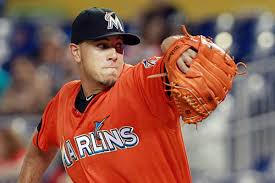
 

Nats Starter Matchup Analysis – April 2014

7 comments


Strasburg's K/9 is amazing so far in 2014. Photo unk via thewifehatessports.com

Strasburg’s K/9 is amazing so far in 2014. Photo unk via thewifehatessports.com

Ok people, how about getting back to talking some baseball, not arging whether or not we need to fire the manager after 28 games.  🙂

Here’s a monthly feature that I like to do, breaking down the Nats rotation performance and analyzing matchups for the previous month.


Starter “Grades” for the MLB Rotation:

Grade Taxonomy; these are just quick and dirty short hand judgements on the starting stat line for each starter’s performance.   Here’s a rough starting point  for how grades are assigned:

  • Grade A: 6-7+ innings, zero earned runs.
  • Grade B: 6-7 innings, 1-2 earned runs.
  • Grade C: 6 innings, 3 earned runs and run-of-the-mill numbers of walks/hits and strikeouts.
  • Grade D: 4-5  innings, 3-4 earned runs
  • Grade F: 4 or fewer innings, more earned runs than innings pitched.

In each letter grade case, adjustments slightly up or down are made based usually on hits+walks and/or Ks (or lack thereof).   More Ks may push the grade to an N+, a slew of extra hits/walks may drop the grade to an N-, where N is the letter grade division.

(Note: I won’t repeat this each month; it is just for explanatory purposes for the first post of the year in this series).

By way of example; the team had three “A+” outings in April:

  • Strasburg’s 4/10 win over the Marlins.  Line: 6 2/3s, 1 run on 3 hits, 1 walk and 12 Ks.   He gave up the run but 12 K’s pushed him to the A+ rating.
  • Strasburg’s 4/25 win over San Diego: 7 shut-out innings giving up 7 hits and a walk with 11 K’s.
  • Roark’s 4/26 shutout over San Diego: 9 innings, 3 hits, 1 walk, 8 K’s.

Here’s the Letter grades for our Rotation in April: (here’s a quick link to the schedule to see each individual game) along with Key Stats lines for the month:

  • Strasburg: C,D,A+,F,B+,A+.  2-2, 4.24 ERA, 1.412 whip, 2.30 fip, 53/12 K/BB ratio in 34 innings.
  • Roark: C+,D-,C,A-,A+.  2-0, 2.76 ERA, 1.163 whip, 3.43 fip, 26/9 K/BB in 32 2/3 innings.
  • Jordan: A-,D-,F,D,B-/inc: 0-3, 5.61 ERA, 1.636 whip, 4.48 fip, 17/8 in 25 2/3 innings.
  • Gonzalez: A,A,D-,A,C-,C+: 3-1, 3.25 ERA, 1.139 whip, 2.90 fip, 38/13 in 36 innings.
  • Zimmermann: A,F,A-,B,C+,A: 2-1, 3.27 ERA, 1.333 whip, 3.09 fip, 35/8 in 33 innings.

Tanner Roark turned around his slower start and has “won” the 5th starter competition, which extended a month into the season thanks to Doug Fister‘s spring training injuries.  Taylor Jordan’s letter grades bely his crummy overall stats; 0-3 with a 5.61 ERA, a 1.63 whip and a 4.49 FIP.  Lets hope Jordan can get it turned around in Syracuse and provide cover for the next injury.  Gonzalez leads the staff in ERA while Strasburg leads the staff in FIP on the back of his amazing K/9 rate (53 K’s in 34 innings for an astounding 14 K/9 rate, which leads the league right now for qualified pitchers).  Zimmerman keeps on plugging away, mixing in good outings with bad ones; lets look for more consistency from him in May.

I think its rather interesting that our three power arms are all seemingly abandoning the whole “pitch to contact” mantra so far; all of their K/9s are above a K per inning.  And Strasburg’s is just ridiculous.  Do you think maybe Strasburg is tired of his defense throwing away outs and he’s just saying, “I’ll do it myself” to some degree?  I think if I had to rank our own rotation in terms of effectiveness I’d go Gonzalez, Strasburg, Zimmerman, Roark and Jordan.  In other words, almost identically to our rotation order.

The team finishes the month 16-12, on pace for 93 wins, despite the injuries to the offense and the generally awful defense so far this year.


Now here’s some Starting Pitcher Matchup analysis.  I track of the opposing starter the team faces each night and ranked them three different ways:

  • Their Rotation Order intra team: the opening day starter for a team is their “#1” and the other four guys are ranked 2-5 as they appear in the opposing rotation.
  • Their Ranked Performance intra-team: at the time of their series with the Nats, the 5 starters on a team are ranked 1-5 on pure in-season performance.  The guy with the best season stats at that time is ranked #1, the guy with the worst #5.
  • Their Subjective League-Wide “Rank” as a pitcher: a subjective look at whether the opposing starter is a league wide “Ace,” a near-Ace or #2, and the like.

I also kept track on a night-to-night basis a quick opinion on whether I felt the Nats had the Starting Pitching Advantage (or if it was an even-matchup, or if I felt the opposing team had the pitching advantage) and tracked how we did.

Opponent Rotation Order Stats

Starter # Record Opposing Starter in Wins Opposing Starter in Losses
1 4-3 Gee, Fernandez, Weaver, Cashner Teheran (2x), Wainwright
2 4-2 Colon, Wood, Wacha, Cosart Wood, Kennedy
3 3-2 Wheeler, Alvarez, Oberholzer Harang, Lynn
4 1-3 Miller Hale, Richards, Stults
5 2-2 Koehler, Erlin Koehler, Skaggs
5+ 2-0 Hand (2x)

(Note: a “5+” pitcher means a starter who was not on the opening day roster for a team.  We’ll see a ton more 5+’s as more starters go down with injury and are replaced by minor league call-ups).

Not all #1 starters are made the same, nor are #5 starters.  The team actually holds a winning record against opposing team’s #1s and #2s (which you normally do not see), but scuffled against other team’s #4 starters.  Of course, Shelby Miller and David Hale are not ordinary #4 starters, but you’d have liked to have seen wins against the likes of Clayton Richardson and/or Eric Stults.

The team got a great win over Jose Fernandez but lost twice to Atlanta’s ace Julio Teheran.  Not the end of the world, but they need to do better (obviously) against Atlanta pitching.


Opponent intra-Rotation Ranking Stats

Starter # Record Opposing Starter in Wins Opposing Starter in Losses
1 2-4 Fernandez, Cashner Teheran (2x), Wainwright, Richards
2 2-4 Gee, Wood Wood, Harang, Koehler, Skaggs
3 4-1 Colon, Wacha, Koehler, Hand Kennedy
4 4-1 Wheeler, Oberholzer, Miller, Erlin Hale
5 3-2 Weaver, Cosart, Alvarez Lynn, Stults
5+ 1-0 Hand

In other words, the Nats are 2-4 against opposing teams’ best pitcher at the time of the series, 2-4 against the opposing team’s 2nd best performing pitcher at the time of the series, etc.   This is a slightly better way of seeing how the Nats perform against the opponent’s hottest hand at the time.  Notice here that Aaron Harang is given much higher credit for his 2014 performance than his rotation order rank may merit him.

The team (as one would expect) is struggling against the best and 2nd best guys on opponent’s teams, but are beating up on the rest of the rotation.  This is a good sign frankly; you need to win when you go against the other team’s struggling starters.  As the season goes along the team should stabilize and be able to hold its own against the best guys on other teams.


Opponent League-Wide “Rank”

Starter # Record Opposing Starter in Wins Opposing Starter in Losses
1 2-1 Fernandez, Wacha Wainwright
2 1-2 Weaver Teheran (2x)
3 5-2 Cashner, Wood, Colon, Wheeler, Miller Wood, Kennedy
4 3-2 Gee, Oberholzer, Cosart Hale, Lynn
5 2-4 Erlin, Alvarez Richards, Harang, Skaggs, Stults
5+ 3-1 Hand (2x), Koehler Koehler

In other words, the Nats are 2-1 against MLB “Aces,” 2-1 against MLB “near aces” or #2’s, etc.

This table really shows how the team has truly done against the elite pitchers in this league.  We can argue in the comments section about my subjective ranking of pitchers as being #1s, #2s, or whatever.   For comparison purposes with our own team talent-wise, I have Strasburg as a league-wide #1, Gonzalez and Zimmermann as #2s, Fister as a #3, Roark and Jordan as #5s.  Aces are few and far between; you’re far more likely to see a bunch of #4s and #5s on opposing teams.  It is of note that a 5+ starter can be a complete crapshoot; he could be a 4-A pitcher just giving the team innings or he could be the team’s #1 starter prospect and can be as effective as a #2 starter right off the bat.

So far, the team has beaten a couple of aces and had expected losses versus the likes of Adam Wainwright and Teheran.  Slightly concerning is the record against what I consider #5 pitchers in this league, though to be fair Harang and Tyler Skaggs certainly are not pitching like #5s right now.


Performace against Expectations by Advantage

By “Advantage” Record Matchups in Wins Matchups resulting in Losses
Wash 10-6 Gio-Colon, Stras-Gee, Stras-Miller, Zim-Oberholtzer, Gio-Cosart, Stras-Erlin, Gio-Alvarez, Stras-Koehler, Zimm-Hand (2x) Stras-Teheran, Zimm-Hale, Zimm-Lynn, Gio-Harang, Zimm-Stults, Stras-Koehler
Even 3-1 Gio-Weaver, Jordan-Wood, Roark-Wheeler Jordan-Skaggs
Opp 3-5 Roark-Fernandez, Roark-Cashner, Gio-Wacha Roark-Teheran, Jordan-Wood, Roark-Richards, Jordan-Kennedy, Jordan-Wainwright

In games where I thought Washington had the clear starting pitching advantage head-to-head, the team went 10-6.   I’ve listed the match ups for each case so you can decide whether we really had the advantage.

In games where I thought the pitching matchup was even, the team went 3-1; this is a good sign.  Three of these four matchups involved Roark or Jordan.

In games where I thought our opponent had the clear advantage heading into the game, the team went an expected 3-5.  Most of these matchup involved either Roark or Jordan.

It is interesting to note that Jordan struggled .. but he also had a number of very tough matchups in April.  He had to go against Alex Wood twice, Ian Kennedy, Adam Wainwright and Tyler Skaggs.   For a guy with just a handful of starts, that was a tough slate of matchups.


Per-Starter Matchup Listing:

Nats Starter Opponent Makeup Nats Record under starter
Strasburg two Aces, a #4 and three #5s 4-2
Gonzalez an Ace, three #2s, two #3s 5-1
Jordan an Ace, three #2s and a #5 1-4
Roark three Aces, a #3, a #4 3-2
Zimmermann two #3s, two #4s, two #5+s 3-3
ttl for month: 16-12

So, as discussed above, Jordan has had some tough matchups.  But Roark had to go against three staff Aces in April and still came out with a winning record.  Despite a couple of shaky outings the team was 5-1 when Gio pitched.  Lastly we can see that Jordan needs to be replaced; the team was just 1-4 in his outings and you’d have to think that they wouldn’t have a losing record when Fister throws.


April Conclusion

The Nats have beaten up on weak teams and faltered against good teams.  And it only gets tougher from here; they’ll face Philadelphia’s 1-2-3 in order in early May, then entertain Los Angeles and their two Cy Young winners.  Later on this month they visit the cavernous Oakland stadiums and go up against three different playoff calibre teams in Cincinnati, Pittsburgh and Texas.  Lots of good pitching matchups to be seen.